
Sustainable UFV
Sustainable UFV
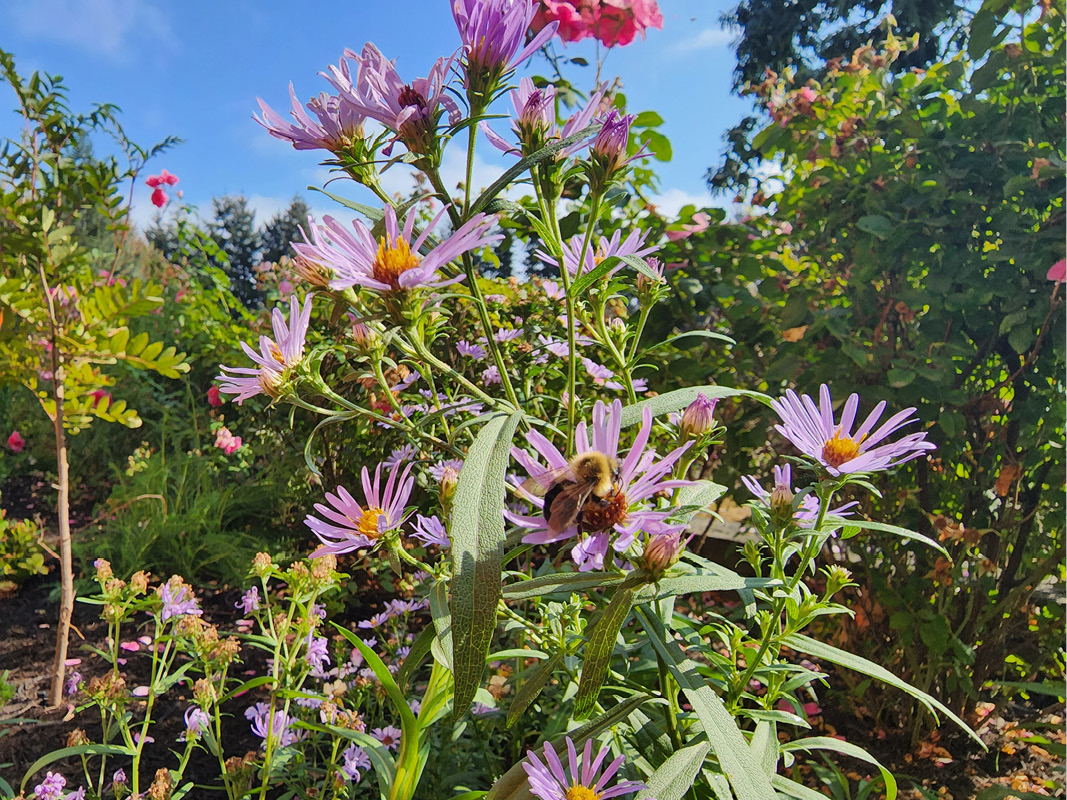
Just behind the Lá:lem te Baker student housing on UFV’s Abbotsford campus lies a new, neatly manicured garden. The Lá:lem te Baker Pollinator Garden is a result of the 2021 heat dome and floods, which had significant impacts to vegetation growth and pollinator survival. By creating a pollinator garden in response, UFV is actively providing habitat for pollinators. The pollinator garden is made up entirely of native plants that vary in size, shape, and colour to make it a suitable space for different pollinators to feed. The garden will not only benefit the pollinators, it will also provide a teaching space for courses on plant, invertebrate, and vertebrate biology, as well as biodiversity and conservation.
Building on the success of the first pollinator garden, planted behind Lá:lem te Baker in the summer of 2022, a new pollinator garden was built that expands on that foundation. Completed in 2025 the UFV 50 Pollinator garden focused on transforming an unproductive area of grass into a gathering place for people and pollinators with new plants, trees, and a gazebo created in collaboration with Trades students. Designed to bloom throughout the year, the garden ensures that bees, butterflies, hummingbirds and more have a continuous source of nectar and habitat in all seasons. To help you understand how these plants help pollinators and to learn more about the garden Check out the UFV 50 Plant Guide.
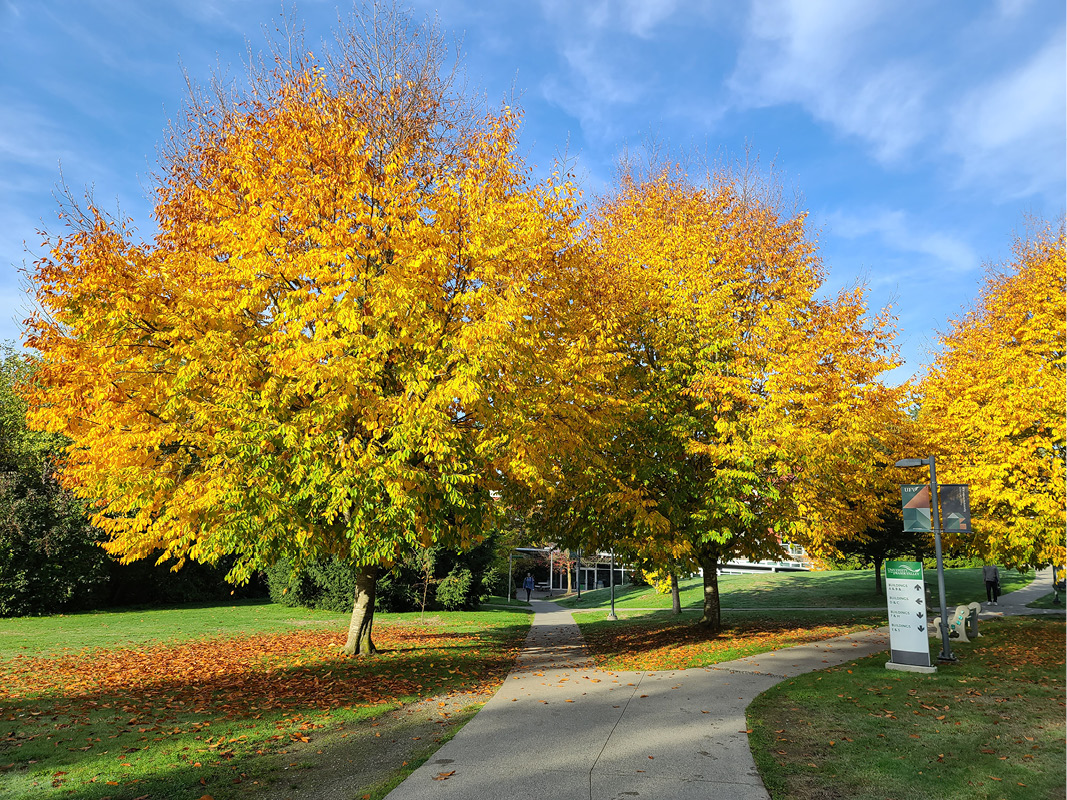
UFV’s campus trees are an important part of an integrated system that connects students, faculty, staff and visitors to a natural system. UFV’s trees contribute to the vibrant character of the campus and enhance quality of life.
As part of UFV’s mandate to provide green infrastructure, UFV is developing a strategic management plan for campus trees. This plan will provide recommendations, goals and an overall direction for planning, design and development as it relates to trees. This plan will also identify best management practices for the maintenance of campus trees.
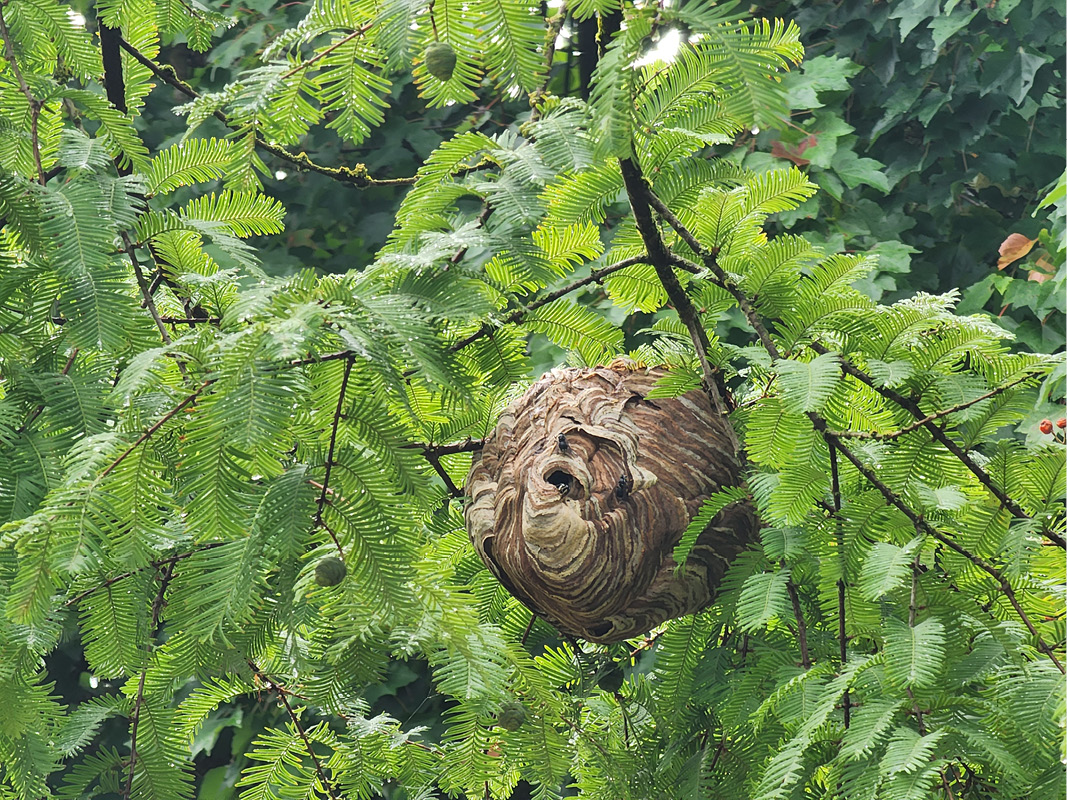
UFV has adopted an Integrated Pest Management (IPM) approach for greenspace management that suppresses pests through a combination of methods that include cultural, physical and biological controls.
The goal is to minimize if not eliminate the use of chemical pesticides.