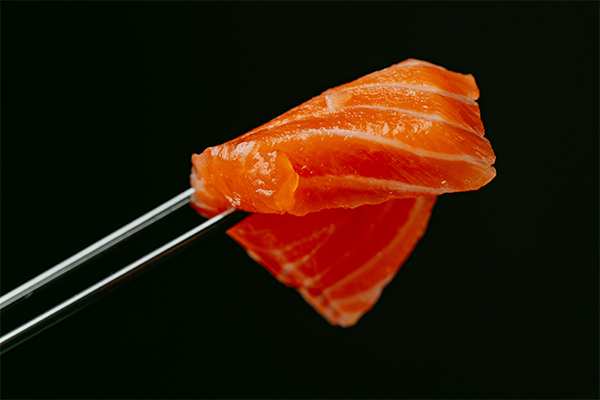
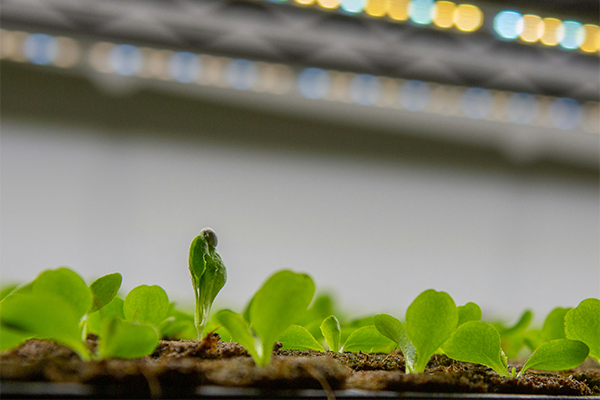
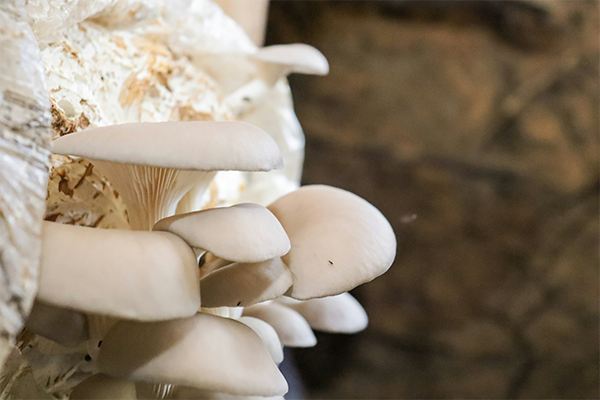
This research project is conducting three case studies based in British Columbia, designed to be applicable and replicable across Canada. Exploring the potential risks that cellular agriculture and gene editing pose to marginalized communities and strategies to manage those risks.
Each case study team is working in collaboration with an industry partner and Life Cycle Analysis (LCA) consultant assessing the environmental impact comparisons for each case study.
We have selected foods and food technologies to explore in each case study, all stand to be significantly transformed by emerging agri-genomic innovations:
 The Life cycle assessment of an egg-based cellular agriculture growth medium (poster presentation) looks at the environmental impacts of an egg-based product created by YEX Inc. This product is designed to replace fetal bovine serum (FBS), a common ingredient used to grow cells in laboratories. The study measures the product's environmental impacts from production to disposal, identifies the steps that have the biggest impact, and suggests ways to make the product more environmentally friendly. The research also supports clear reporting and responds to the growing need for evidence about the sustainability of new biotechnology products. The study follows international standards for life cycle assessment (ISO 14044) and Product Category Rules (PCR) for Basic Chemicals.