
Centre for Education and Research on Aging
Centre for Education and Research on Aging
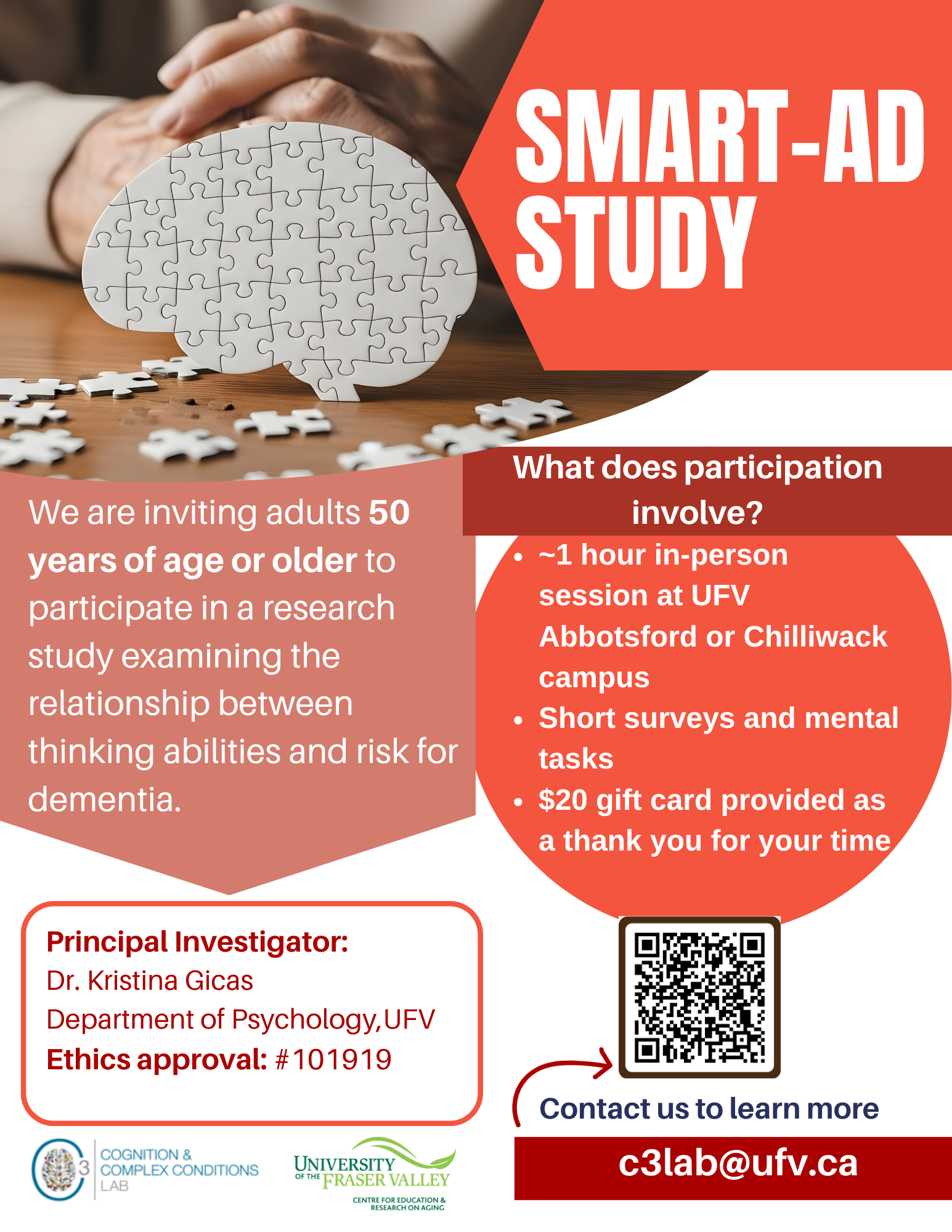
The Smartpen Measures for Alzheimer’s Risk Tracking in Aging and Dementia (SMART-AD) Study uses a digital pen (i.e., smartpen) to examine novel cognitive scores as markers of early and subtle brain changes among older adults who may be at-risk for cognitive changes due to Alzheimer’s dementia.
This project is currently recruiting adults aged 50 years and older. Participation involves meeting with a member of our research team for approximately 1 hour to complete a series of short mental tasks (some involving use of a smartpen), as well as questionnaires on an iPad.
By conducting this research, we hope to advance scientific knowledge on early detection of Alzheimer’s disease using simple, cost-effective digital tools.
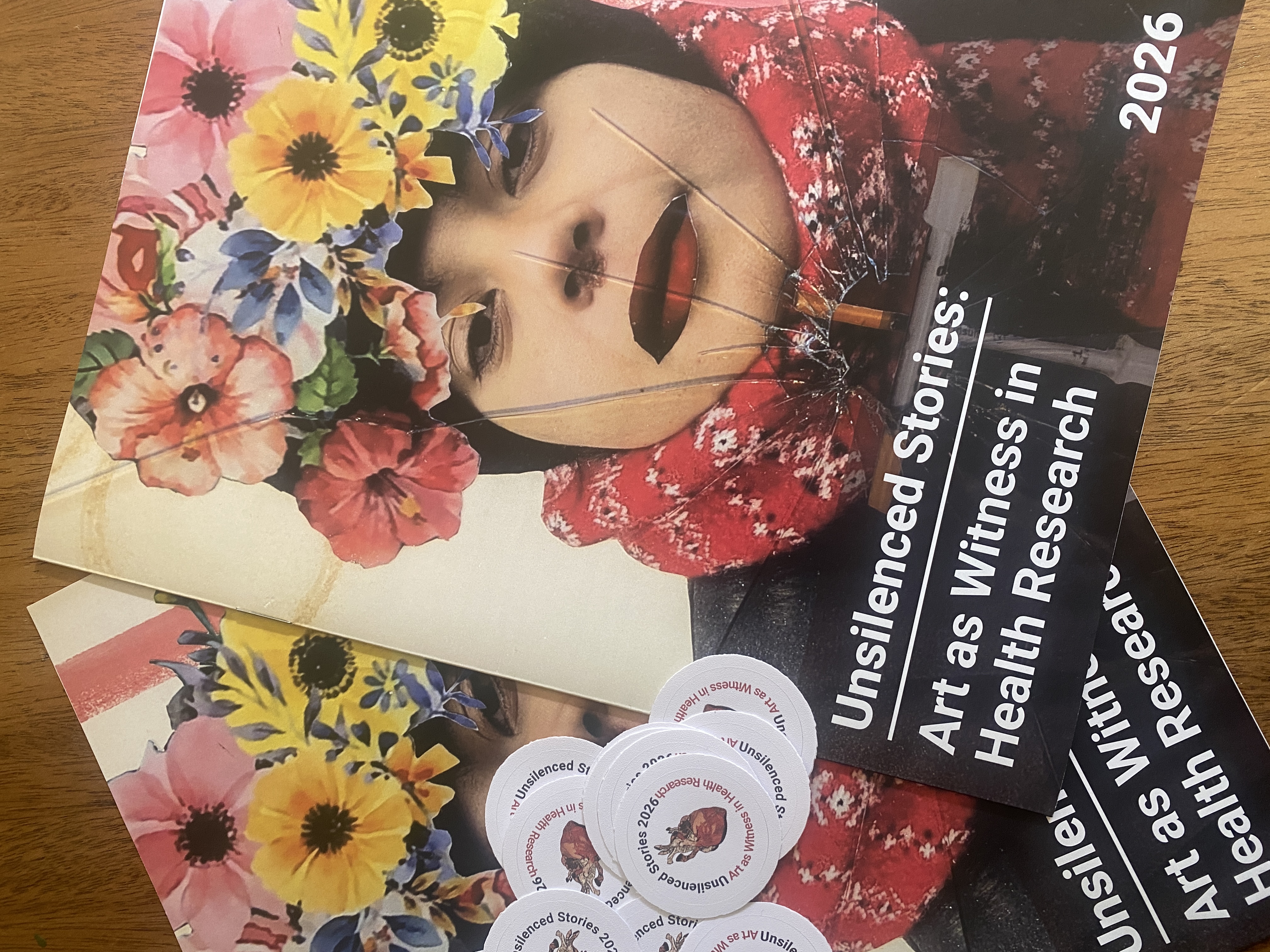
Dr. Candace Couse’s project, Unsilenced Stories: Art as Witness in Health Research, directly engages with aging through a critical, arts-based lens. In partnership with the Canadian Association for Health Humanities and Ottawa’s SAW gallery, this initiative creates a vital exhibition and permanent, on-going digital archive that amplifies patient and community narratives. It specifically highlights experiences of chronic illness, dementia care, end-of-life transitions, and systemic encounters within healthcare, centering the often-unheard stories.
Supported by student researchers Natasha Zilcosky, Sam Price, Keira Chu and Danielle Forget, the project employs visual art as a powerful tool for research translation, fostering interdisciplinary dialogue and challenging reductive narratives about aging, capacity, and care.
With age being the main risk factor for both cancer and dementia, there is an increasing number of people living with both diagnoses. Navigating the cancer journey can be especially difficult for people living with dementia and their caregivers; often cancer care providers have limited knowledge of how to best meet the needs of these individuals. Our study aims to better understand these challenges in order to develop education and recommendations for a Dementia-Friendly care approach for cancer care providers at BC Cancer. This 3-year study is funded by the Alzheimer's Society of Canada.
Research Team:Dr. Shelley Canning RN PhD1, Dr. Michael McKenzie MD2, Genevieve St-Martin MS CGC2, Jagbir Kaur PhD (c)2, Dr. Lillian Hung RN PhD3, Nicole Percival RN MHLP4, Rachel Wan (nursing student)3, Jasleen Brar1 (nursing student), Lynn Jackson5, Sara Makortoff6

What do you remember about the early part of the COVID-19 pandemic? UFV researchers, Dr. Andrea Hughes and Dr. Lesley Jessiman, are conducting a study to examine how young and older adults recall the early part of the COVID-19 pandemic. In particular, they would like to know if people of different ages recall that time period differently and whether different demographics affect how one recalls the early days of the pandemic. By conducting this research we hope to learn how people’s memory is affected by their individual circumstances during the pandemic.

In this study, we want to find out if there are relationships between muscle activation patterns that are shown to predict knee osteoarthritis progression and balance, perceived instability, and a decreased ability to know what position the knee joint is in. This research has implications for future non-surgical interventions aimed at slowing disease progression.
Research Team: Dr. Gillian Hatfield and Jagmeet Gill
This interdisciplinary, community engaged study explores perceptions of ageing and dementia across 4 grade levels (grades 1, 4, 7, and 12) through arts-based data including student drawings, poetry, and reflective narratives. Additionally, education modules focused on age and dementia will be designed and implemented with the grade 4 students. Knowledge mobilization will include an art exhibit featuring the arts-based data to celebrate International Day of the Older Person on Oct 1, 2022.
Research Team: Dr. Shelley Canning, Dr. Candace Couse, Elise St-Martin (school district #34), Nicole Cusick and Rose Klassen
This study explores perceptions and identifications of elder abuse. The initial study found participants could readily identify incidents of elder physical abuse but were less likely to identify incidents of emotional/psychological abuse and neglect. The second phase of the study is looking at the factors that influence mis-identification of abuse, namely the relationship between the perpetrator and the abuse victim as well as the age of the observer/participant.
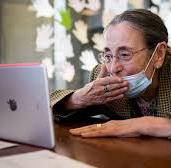
This study explores how older adults adjust to the increasingly important role of media and technologies. Interviews have been conducted with older adults exploring their adoption and integration of new technologies.
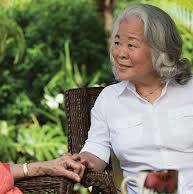
This research project includes 3 related studies: study 1 explores ageist attitudes among undergraduate university students across departments including Bachelor of Science in Nursing (BSN) students in both semesters 1 and 7; study 2 examines “elderspeak” or speech styles adopted by younger adults engaged in conversations with older adults; study 3 builds off study 1 by incorporating focus group data to explore ageist attitudes.

"It's cool to feel like I can see the window of nursing research and what it looks like. It can be more clinically based or really people-focused, but it kind of intersects because it is tying in sociology and other areas, but it’s still nursing."
Rosaley Klassen, Nursing