
Planning, Geography, and Environmental Studies
Planning, Geography, and Environmental Studies
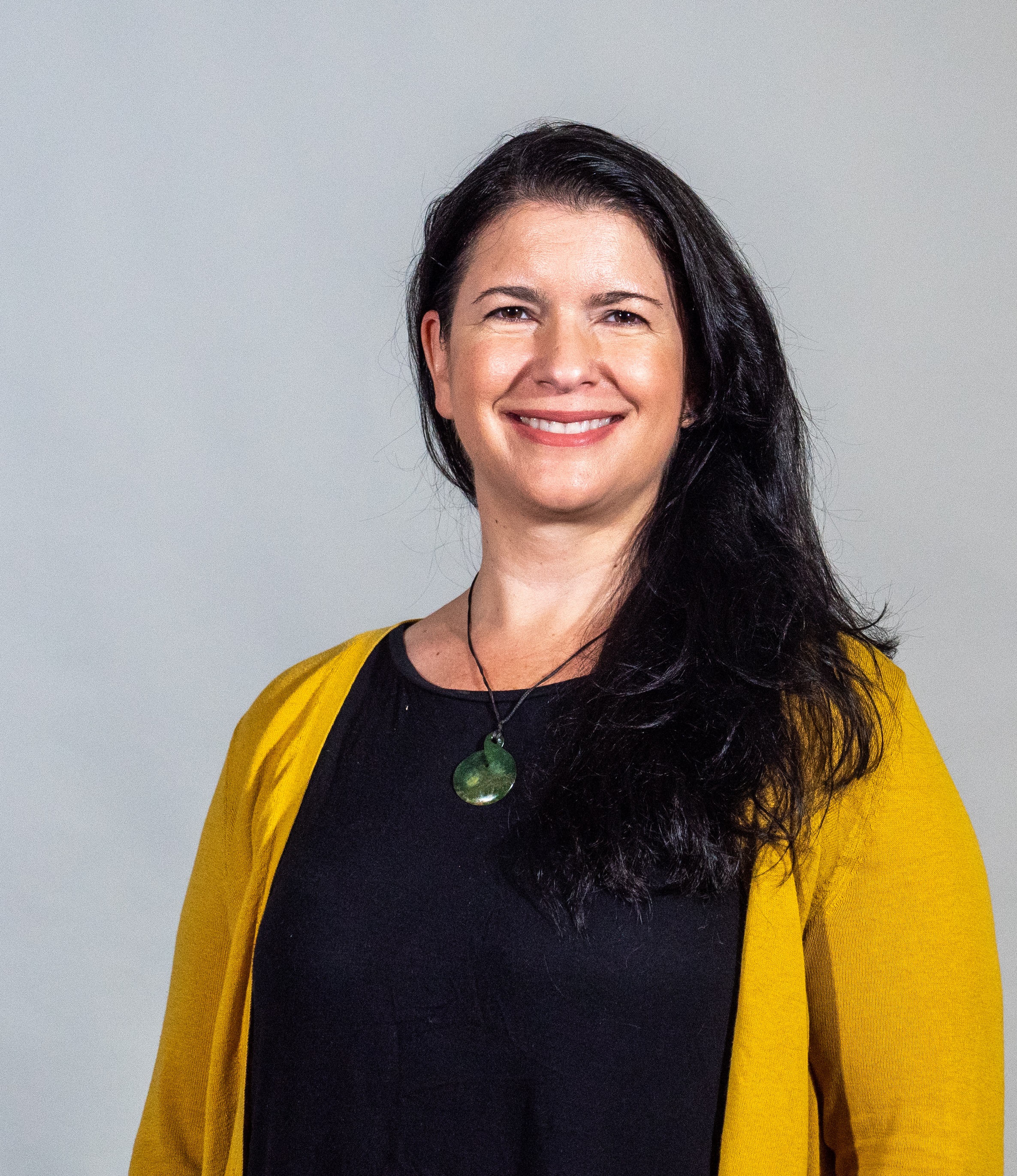
Associate Professor
Program Chair: Environmental Studies
Associate Director, Food and Agriculture Institute
Planning, Geography, and Environmental Studies
Abbotsford campus, A406g
Phone: 604-504-7441
email StefaniaFor me, acknowledging the land that we are on is a way to connect myself to the living and continuing history of the area in which I live. It is a way for me to reflect upon past injustices and trauma but also as a way to respect the resilience and strength of the Stó:lō (and all Indigenous) peoples. I am a grateful guest on this land, and accept the responsibility to follow cultural protocols in my professional and personal life.
I am the Program Chair for the Environmental Studies program, and am the Associate Director of the Food and Agriculture Institute at UFV. My research projects include:
I am an environmental researcher who has moved across the world where I’ve met and worked with different organizations, communities, people, and cultures. Prior to working at UFV, I completed a postdoctoral research fellowship in the Faculty of Forestry at the University of British Columbia where I worked with and for the Heiltsuk Nation in Bella Bella, BC. Our collaborative project was entitled, “Developing spatial and participatory resolutions for the Canadian Aboriginal housing crisis”. The context of this project was focused on developing, implementing, and assessing community-led housing solutions to alleviate and meet housing demands.
I completed my PhD in New Zealand in 2016 where my research focused on forestry resource management with key Māori community members. Applying a kaupapa Māori approach (which embraces traditional beliefs, ethics, and ways of being), I worked closely with the participants using a comprehensive life cycle sustainability technique which provided environmental, social, and economic data regarding forestry options. The process provided the participants with a framework to develop a clear pathway to achieving the collective vision of their community.
Furthermore, I have experience working with and within government agencies. For nearly six years I worked at Forest Research, a government agency in Edinburgh, Scotland. My research was applied at regional, national, and international (European Union) levels and involved GIS analysis, project management, data collection and model synthesis, critical analysis, and frequent engagement with stakeholders - from foresters to business leaders to government officials. In addition, for a period of nine months I was seconded to the Scottish Government's Renewable Energy Department as a hydropower policy officer.
2016 Doctor of Philosophy, Sciences (Ph.D) in Life Cycle Management, Massey University, Palmerston North, New Zealand
2006 Master of Science (MSc) in Environmental Conservation Management (Distinction), University of Glamorgan, Cardiff, Wales, United Kingdom
2002 Bachelor of Arts (B.A.) in Environmental Studies and Geography (Double major), University of California Santa Barbara, Santa Barbara, California, USA
2000 Associate of Arts (A.A.) in Liberal Arts, De Anza College, San Jose, California, USA
Canadian Association of Geographers
Native American and Indigenous Studies Association
Environmental Studies Association of Canada
North American Association for Environmental Education
I believe that the process of being an effective teacher is not one that is ever truly accomplished. The teaching process involves continuous exploration of teaching techniques and methodologies which place the student learning experience at the center. The teaching process also involves a degree of observation and reflection as to ‘what worked’ and ‘what needs improvement’ – both in terms of learning outcomes and knowledge exchange.
As an instructor, I aim to support collaborative, transformative, and active learning in the classroom. Together, my students and I are responsible for ensuring a respectful, engaging, inclusive, effective, and productive learning environment. I believe in the pedagogies of kindness and dignity, listening and empathy as a teaching practice, and principles of transparency and accountability.
I acknowledge that each student brings value to the classroom and I endeavor to recognize their unique pre-existing skills and insights. I have found that by better understanding my students I can deliver the course content in a manner that is more meaningful and interesting to them.
Regarding the recognition and representation of Indigenous content in my classroom, I aim to highlight the interconnectedness of various forms of knowledge – be it from an Indigenous worldview or otherwise. Instead of focusing on what differentiates this knowledge, I focus on what is similar. As a result, the silos that often exist between cultures can be broken down. I therefore reflect multi-cultural perspectives within the courses I have taught.
I am keenly aware as to the importance of positionality throughout the process of decolonizing education and research. As a non-Indigenous instructor and researcher, I strive to honor Indigenous peoples and worldviews by educating myself on Indigenous ways of knowing, histories, perspectives, and preferences. I firmly believe that the reconciliation process is not just between Indigenous peoples and the Canadian government; it is a process that all guests on traditional territories should embrace in order engender mutual respect and healing dialogue. One of the most accessible places for this to occur is in the classroom, and I have committed myself to this important opportunity.
ENV 111 (Environmental Issues and Strategies)
GEOG 130 (Geography of Canada)
ENV 310 (Leadership in Environmental Professions)
ENV 330 (Sustainable Fashion)
ENV 331 (Environmental Assessment and Management)
ENV 398 (Strategy and Sustainability)
I am a multidisciplinary researcher within environmental and agricultural sustainability initiatives, with a passion for working towards social and Indigenous justice. I have nearly 20 years of experience in environmental management, with a specific focus on Indigenous community planning and engagement for over 12 years. I have academic and university-level teaching experience involving course design and student supervision. I am privileged to work with and for Indigenous communities; the co-creation of on-the-ground impacts is deeply meaningful to me. In particular, I embrace action-oriented methodologies that are collaborative and ethical. Additional research topics include: emerging agri-technologies, watershed management, social science, cultural values, decision making process, stakeholder engagement techniques, forestry, supply/value chain analysis, Life Cycle Assessment, climate change, environmental geography, policy development, and GIS applications.
2026 “Indigenous engagement: Teaching and learning together”, Genome BC webinar (invited presenter)
2026 “The Story of Cellular Agriculture in Canada”, Cultured Meat Culture international workshop, Institute of Science Toyko, Japan (invited presenter)
2026 “How will Canada’s GST rebate help you?”, BC Today, CBC radio (invited presenter for the expert panel), https://www.cbc.ca/listen/live-radio/1-4-bc-today/clip/16194269-how-canadas-gst-rebate-help-you
2025 “Just transitions in agri-genomics”, Cultivating Resilience Summit, Vancouver
2025 “Indigenization at UFV: Finding our fears, our footing, and our future”, TLC Lunch and Learn, UFV
2025 “Barriers, Challenges, Complexities, and Successes of Supporting Indigenization as a TLC”, BCTLC Café conversation (invited panel speaker)
2024 “Ultra fast fashion to sustainable fashion: Separating fantasy from reality”, City of Abbotsford 2024 Involve Symposium (invited workshop presenter)
2024 “The Future of Food”, Mercury Rising event led by the Kimberley Foundation, Magee Secondary School, Vancouver (invited guest speaker)
2024 “Future of Fashion: a Growing Revolution”, Chilliwack Climate Fair (invited speaker)
2024 “Fast Fashion’s impacts and influences: ways to rethink our clothing”, Green Living event (invited speaker), Mission Environmental Stewardship Society
2024 “Foresight in Food, Human Health, and the Environment”, Genome BC’s Genomics and Society Symposium, University of Victoria (invited panel speaker)
2023 “Contributions of agricultural technology to carbon reduction”, Select Standing Committee on Agriculture, Fish and Food, Legislative Assembly of British Columbia (invited speaker)
2022 “HyFlex challenges, opportunities, and advice”, NorQuest College faculty training (invited speaker)
2022 “Human Elements of HyFlex”, BC Campus, HyFlex in Action Conference (invited panel speaker)
2021 Invited interview for BC Campus’ “Ditch the Final Exam” learning and teaching discussion
2021 “In a Nutshell – a community conversation discussing Fast Fashion”, Abbotsford, BC, MCC webinar (invited panel speaker).
2019 “A Heiltsuk-designed home: a story of process, protocol, and partners”, Vancouver, BC, invited speaker for the Forestry in Place speaker series at the University of British Columbia.
2019 “Indigenous Initiatives Learning Community: Collaboration & Reciprocity”, Vancouver, BC, 2019 First-Year Educators’ Symposium at the University of British Columbia.
2017 “Developing spatial and participatory solutions for the Heiltsuk First Nation’s housing crisis”, Vancouver, BC, Native American and Indigenous Studies Association.
2017 “The distinctive recognition of Indigenous culture in forestry sustainability assessments”, Vancouver, BC, International Union of Forest Research Organisations (IUFRO, Div.5).
2015 “Forestry options for New Zealand: taking a closer look at Radiata pine, Rimu, and Mānuka”, Rotorua, NZ, Scion Forest Science Seminar.
2015 “A culturally focused Mānuka value chain”, Ruatoria, NZ, East Coast Manuka Oil Coalition workshop.
2014 “A culturally focused life cycle sustainability assessment: Analysis of forestry value chain options with Māori land owners”, Salt Lake City, Utah, IUFRO.
2014 “Representing culture within Life Cycle Sustainability Assessment”, Wellington, NZ, New Zealand Life Cycle Assessment conference.
2013 “Life Cycle Sustainability Assessment to Analyse Alternative Forestry Value Chains with Māori Land Owners”, Ulsan, South Korea, International Society for Industrial Ecology.
2012 “Modern forestry: Challenges, opportunities, and life cycle sustainability assessment”, Fielding, NZ, Farm Forestry Association workshop.
2011 “Integration of Forestry Decision Support Systems in GIS”, Birmingham, UK, Spatial Ecology & Conservation conference.
2011 “Multifunctional Landscapes: How do we manage forests in a National Park to meet diverse expectations?: A case study in Northern Scotland”, Rovaniemi, Finland, Northern ToSIA conference.
2010 “Analysing forest sustainability under various climate change scenarios: a case study in northern Scotland”, Edinburgh, UK, Commonwealth Forestry conference.
2026 Pizzirani, S. and Rahman, S. (2026). “MCC Centre: Sustainable Solutions for Clothing Waste Management”, Ivey Publishing (W47810)
2026 Glaros, A., Newell, R., Pizzirani, S., Newman, L. (2026). “Scenarios for Controlled Environment Agriculture Planning and Implementation in a City-Region”, Urban Transitions
2025 Kumar, T., Rahman, S., and Pizzirani, S. (2025). “Agrikit: Modular Farming Solutions Enhancing Local Food Security”, Ivey Publishing, No. W43746
2024 Glaros, A., Newell, R., Benyam, A., Pizzirani, S., and Newman, L. L. (2024). “Vertical agriculture’s potential implications for food system resilience: outcomes of focus groups in the Fraser Valley, British Columbia”. Ecology and Society 29(1):12. https://doi.org/10.5751/ES-14547-290112
2022 Mahmud, T. S., Ng, K. T. W., Karimi, N., Adusei, K. K., Pizzirani, S. (2022). “Evolution of COVID-19 municipal solid waste disposal behaviors using epidemiology-based periods defined by World Health Organization guidelines”. Sustainable Cities and Society, Elsevier. SCSI-D-22-03206R2
2022 Issac, J., Newell, R., Dring, C., White, C., Ghadiri, M., Pizzirani, S., and Newman, L. (2022). “Integrated sustainability planning and local food systems: Examining areas of and gaps in food systems integration in community sustainability plans for municipalities across British Columbia”. Sustainability 14(11), 6724; https://doi.org/10.3390/su14116724
2019 Caverley, N., Lyall, A., Pizzirani, S., and Bulkan, J. (2019). “Articulating Indigenous rights within the inclusive development framework: An assessment of forest stewardship policies and practices in British Columbia, Canada” Society and Natural Resources, pp. 1-21. doi:10.1080/08941920.2019.1597237
2019 Pizzirani, S., Monge, J. J., Hall, P., Steward, G., Caskey, P., and McLaren, S. J. (2019) “Exploring forestry options with Māori landowners: an economic assessment of radiata pine, rimu, and mānuka”, New Zealand Journal of Forestry Science, 49(5), pp. 1-15. https://doi.org/10.33494/nzjfs492019x44x
2017 Monge, J. J., Parker, W. J., and Pizzirani, S. (2017). “Identifying complementarities for the dairy and forestry industries in the Central North Island”, New Zealand Journal of Forestry, 61(4), pp. 16-23
2016 Pizzirani, S., McLaren, S. J., Forster, M., Pohatu, P., Porou, T. T. W., and Warmenhoven, T. A. (2016) “The distinctive recognition of culture within LCSA: realising the quadruple bottom line”, The International Journal of Life Cycle Assessment 23(3), pp. 663-682
2015 Hale, S., Gardiner, B., Peace, A., Nicoll, B., Taylor, P., and Pizzirani, S. (2015) “Comparison and Validation of Three Versions of a Forest Wind Risk Model”, Ecological Modelling 68, pp. 27-41
2014 Ray, D., Bathgate, S., Moseley, D., Taylor, P., Nicoll, B., Pizzirani, S., and Gardiner, B. (2014) “Comparing the provision of ecosystem services in plantation forests under alternative climate change adaptation management options in Wales”, Regional Environmental Change 15(8), pp. 1501-1513
2014 Pizzirani, S., McLaren, S. J., and Seadon, J. K. (2014) “Is there a place for culture in life cycle sustainability assessment?”, The International Journal of Life Cycle Assessment 19(6), pp. 1316-1330
2012 Pizzirani, S. and Bathgate, S. (2012) “Integration of Forestry Decision Support Systems in GIS”, Journal of Environmental Assessment Policy and Management 14(2)
2011 Berg, S., Fischbach, J., Bruchert, F., Poissonnet, M., Pizzirani, S., Varet, A., and Sauter, U. (2011) “Towards assessing the sustainability of European logging operations”, European Journal of Forest Research 131(1), p. 81-94
2011 Lindner, M., Werhahn-Mees, W., Suominen, T., Vötter, D., Zudin, S., Pekkanen, M., Päivinen, R., Roubalova, M., Kneblik, P., Brüchert, F., Valinger, E., Guinard, L., and Pizzirani, S. (2011). “Conducting sustainability impact assessments of forestry-wood chains: examples of ToSIA applications”, European Journal of Forest Research 131, p. 21-34
2011 Edwards, D., Jensen, F.S., Marzano, M., Mason, B., Pizzirani, S., and Schelhaas, M. (2011) “A theoretical framework to assess the impacts of forest management on the recreational value of European forests”, Ecological Indicators 11, pp. 81–89
2010 Pizzirani, S., Gardiner, B., and Edwards, D. (2010) “Analysing forest sustainability under various climate change scenarios: a case study in northern Scotland”, Edinburgh, UK, Commonwealth Forestry Conference Proceedings
Reports and technical papers
2025 Perkins and Will (2025). “The Resource Circularity Report: Reimagining Cities as Regenerative Ecosystems”, Perkins and Will, Vancouver, BC. (Report can be found here)
2025 Dring, C., Newell, R., & Pizzirani, S. (2025). Urban agriculture planning education programs: Needs and opportunities. Food and Agriculture Institute, University of the Fraser Valley. (Report can be found here)
2025 Pizzirani, S. (2025). “Indigenization at UFV: Finding our fears, our footing, and our future”, Teaching and Learning Centre Report, University of the Fraser Valley, Abbotsford, BC.
2024 Young, C., Glaros, A., Newman, L., & Pizzirani, S. (2024). Assessing Climate Vulnerabilities of British Columbia and California Food Systems Through Spatial Analysis. University of the Fraser Valley, Abbotsford, BC.
2024 Glaros, A., Pizzirani, S., Newell, R., & Newman, L. “Planning Considerations for Vertical Agriculture”, University of the Fraser Valley, Abbotsford, Canada. https://doi.org/10.13140/RG.2.2.32044.64643
2024 Dring, C., Cremer, A., Glaros, A., Pizzirani, S., Newell, R. & Newman, L. (2024). “Vertical Agriculture Education Workshop Report”. The University of the Fraser Valley, Abbotsford, BC.
2023 Glaros, A., Newell, R., Ruder, S-L., Mukiri, J., and Pizzirani, S. “Cellular Agriculture Futures: A survey of public perceptions in the Lower Mainland, British Columbia”, UFV Food and Agriculture Institute, Abbotsford, BC.
2023 Glaros, A., Newell, R., and Pizzirani, S. “Scenarios for vertical agriculture development in the Lower Mainland, British Columbia”, University of the Fraser Valley, Abbotsford, Canada. https://doi.org/10.13140/RG.2.2.21373.13286
2023 Glaros, A., Newell, R., and Pizzirani, S. “Public Perceptions of Vertical Agriculture and Its Potential Contribution to Food Systems: Outcomes of a public survey in Vancouver, British Columbia”, UFV Food and Agriculture Institute, Abbotsford, BC
2023 Newell, R., Glaros, A., Pizzirani, S., and Newman, L. “The Role of Cellular Agriculture in Sustainable, Resilient and Just Food Systems: An Action Agenda”, University of the Fraser Valley, Abbotsford, Canada. https://doi.org/10.13140/RG.2.2.34721.17768
2019 Pizzirani, S. (2019). “Indigenous research engagement and methodologies”, Indigenous Forestry Information Repository report (Engagement module), UBC Faculty of Forestry, Vancouver, BC
2018 Pizzirani, S. (2018). “Creating the Heiltsuk ‘tiny’ home”, University of British Columbia’s Forestry Branchlines 29(2), pp. 6-7
2017 Timko, J. A., Pizzirani, S., Kozak, R. A., and Bull, G. (2017). “Exploring First Nation-held Forest Tenures and Community Forest Enterprises in British Columbia”, Rights and Resources Initiative, Washington, D.C.
2016 Pizzirani, S. “A culturally-focused life cycle sustainability assessment: Analysis of forestry value chain options with Māori land owners”, PhD thesis, Massey University, Palmerston North, NZ
2015 Dunningham, A., Bayne, K., Pizzirani, S., Blackett, P., and Cradock-Henry, N. (2015) “Innovative and targeted mechanisms for supporting climate change adaptation in the primary sectors”, Ministry for Primary Industries Technical Paper, Wellington, New Zealand