2026 recipients
Meet the 2026 URE award recipients
Click a name to learn more about the students and their award-winning projects.
Community Engagement Research
Community Service Research
Indigenous Research
College of Arts
Faculty of Health Sciences
School of Business and Computing
Faculty of Science
Faculty of Applied and Technical Studies
Faculty of Education, Community, and Human Development
Community Engagement Award

Emilie Petrie - Peace and Reconciliation Centre (PARC)
Seabird Island Community School – Curriculum Project
Faculty supervisor: Dr. Keith Carlson
Personal Note: I am in the 5th year of my Bachelor of Arts degree, having already completed my English minor and extended Psychology minor, with an honours project for my History major projected for the upcoming academic year. I am also in the process of completing my Teaching English as a Second Language certification here at UFV. Once I graduate next year, I intend to pursue a Master’s degree in History in my specific areas of interest and hope to eventually obtain a PhD in History, as well. I am very grateful for all of the research opportunities that I have had through UFV, especially when it comes to my role as a student research assistant at UFV’s Peace and Reconciliation Centre (PARC). Here, I have been fortunate enough to work on a handful of projects, including my Seabird Island curriculum development project under the supervision of Dr. Keith Thor Carlson.
Project Summary: This community-based curriculum development project entails the creation of a “Seabird Island History and Culture” course for Grade 10 to 12 students at the Seabird Island community school. I, alongside my collaborators, have been tasked with developing curriculum and educational resources that concern the unique history, knowledge systems, and stewardship practices of the Sq'éwqel (Seabird Island Band). The course is being designed in consideration of the K-12 Ministry of Education system and the First Nations Education Authority system to ensure validity under the province’s requirements for B.C.’s Certificate of Graduation, or Dogwood Diploma. While referring to additional frameworks, such as UBC’s six “Historical Thinking Concepts” and the standards set by B.C.’s Social Studies and History curriculum guidelines, the project still prioritizes the values and aspirations of the Seabird Island school and community through the curriculum development process and its products. In connecting with community members and Knowledge Keepers, referring to existing research and educational materials, and remaining actively engaged with the history, culture, and geography of and around Seabird Island, I have laid the groundwork for various units, lessons, assignments, and the broader capstone project for the course. The ongoing project aims to create materials that meaningfully inform and guide understandings of Seabird Island history, identity, and place, all while remaining relevant and appropriate for the target age group. Our contributions are designed to grow alongside the ever-evolving needs of the classroom and community, understanding the need for adaptability and continuous development.
Return to recipient list ↑
Community Service Award

Breanne Muller - Peace and Reconciliation Centre (PARC)
Xyólhmet Ye Syéwiqwélh (Taking Care of Our Children) Project
Faculty supervisor: Dr. Keith Carlson
Personal Note: Having the opportunity to conduct this research alongside Dr. Carlson and the SRRMC during my undergraduate studies has left a profound impact on me. Being able to use the quantitative and qualitive skills taught to me within my courses in such an important avenue of work, and to be able to contribute to reconciliation in such a direct way, has shaped how I walk the world and how I plan for my future career path. I am honoured to be a part of this project as a settler on S’ólh Téméxw and I am grateful that this work is being done here at UFV. I want to give my thanks to all who have been a part of this project and who have supported me as I look towards continuing my education.
Project Summary: The Xyólhmet Ye Syéwiqwélh (Taking Care of Our Children) Project is a collaborative, community-engaged research initiative led by the Stó:lō Research and Resource Management Centre (SRRMC), a community service organization that supports Stó:lō communities through research, records management, and the protection and stewardship of cultural and historical knowledge, in partnership with the Peace and Reconciliation Centre (PARC). This ongoing project focuses on the careful review, transcription, and analysis of Indian Agent letterbooks. These records contain detailed correspondence related to Indigenous communities, including references to children, schooling, illness, mortality, and public health conditions. The work done includes transcribing handwritten documents, organizing and indexing content, and identifying key themes that contribute to a broader understanding of Indigenous–settler relations and the impacts of colonial systems on Indigenous families and communities. The project is grounded in ethical, trauma-informed, and community-engaged research practices. Given the sensitive nature of the material, particular care is taken to ensure that research processes respect the communities connected to these records. Findings are shared in partnership with the Stó:lō Research and Resource Management Centre, supporting their work with families and contributing to community-led processes of historical clarification and knowledge recovery.
Return to recipient list ↑
Indigenous Research Award
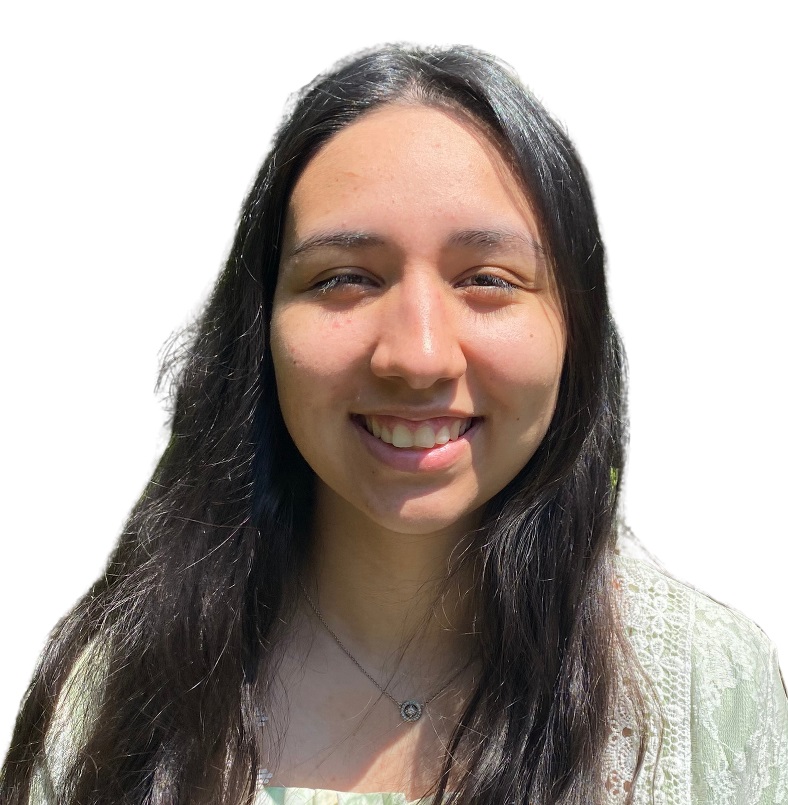
Holly Masten - School of Social Justice and Global Stewardship
Hazel Sticks Grow Stronger After A Fire
Faculty supervisor: Lolehawk Buker
Personal Note: The content of the project is both research about plant knowledge, protocols, stories, knowledge keepers, and intergrating Yurok worldviews. Along with a written collection of knowledge is personal reflections expressed in writing and in creative works. Creative work includes a Yurok style necklace inspired by story, a painting of an adapted basket design symbolizing themes within the project, weaving of a baby rattle, and free writing. All research and reflective work has been compiled into common themes and teachings learned through this process. These teachings help tell the story about traditional science, innovation, poetry, and innovation of the Yurok, Hupa, and Karuk Nations.
Project Summary: This project has been a journey through time as I explored memories, archives and ancestral knowledge. It was based off a longing to know more about our baskets, stories, and ancestors which required me to go on a journey through place and memory. Baskets hold multiple layers of stories and have brought out my own stories. Baskets tell the story of the land, our ancestors, stewardship practices, and the weaver. They are a connection to the past, present and future, like an elder who has seen so much in their lifetime.
I want you to know that this project is a combination of research and personal reflection that is rooted in story. I didn’t feel like I could do this any other way because baskets are so personal to me. They keep me connected to my culture, community, and family while I live far from home. I have been longing to learn more about our baskets, our stories, and I have been longing to be a participant in it. This meant that my research had to be story-based and include reflections on what I was learning and the ways I was interpreting the information. I made more room for a journey rather than a destination. This project is me saying aiy-ye-kwee to our knowledge from our baskets, and the baskets giving me an aiy-ye-kwee back. Aiy-ye-kwee, welcome reader to this journey through place, time, renewal, and transformation.
Return to recipient list ↑
College of Arts

Rachel Berbec | Communications
How Supportive Teacher-Student Relationships and Classroom Environments Influence Student Motivation in British Columbia
Faculty supervisor: Dr. Paul Fontaine
Personal Note: I would like to thank my professor, Paul Fontaine, for nominating me for this award and for all of his support throughout this project. This report really showed me how meaningful research can be, especially in education, where learning more about how students feel supported, motivated, and engaged can help create better learning environments for everyone.
Project Summary: My project was a research recommendation report I completed for my CMNS 353: Research in Organizations class. The report focused on how supportive teacher-student relationships, communication, and classroom environments can influence student motivation in British Columbia schools.
I was interested in this topic because motivation is such a big part of how students experience school, but it is not always looked at through communication and relationship-building. In my report, I explored how things like teacher encouragement, clear communication, emotional support, and a positive classroom environment can affect students confidence, sense of belonging, and willingness to participate.
The report included a literature review, theoretical framework, methodology, ethical considerations, and recommendations. I proposed a qualitative study using semi-structured interviews with teachers and students to better understand how they experience motivation in the classroom. This project showed how everyday communication between teachers and students can have a truly meaningful impact on student engagement and success.
Return to recipient list ↑

Gunika Bajaj | Criminology and Criminal Justice
Stakeholder Awareness of Forensic Nursing Services in the Fraser Valley
Faculty supervisor: Dr. Amanda McCormick
Project Summary: Gunika Bajaj is graduating with a B.A. in Criminology and Criminal Justice at UFV. She works as a Research Assistant under the guidance of Dr. Amanda McCormick for the past 1.5 years, contributing to projects related to intimate partner violence (IPV), sexual assault, domestic violence, strangulation, and victim-survivor experiences with accessing forensic nurse exams. In Fall 2025, during Gunika's Work-Study position, she contributed to the literature review of Dr. McCormick's and Christina Simpson's study on stakeholder knowledge gaps in accessing medical-forensic exams in the Fraser Valley. Currently, Gunika is an interview transcriber for Dr. McCormick's study on police investigations and Crown prosecutions of strangulation files in Canada. Following graduation, Gunika hopes to work in the Fraser Valley supporting victim-survivors through legal justice and community services, and pursue law school.
Return to recipient list ↑

Daria Tsynda | Economics
The Why Behind Investing: Demographic and Behavioral Drivers of Portfolio Allocation
Faculty supervisor: Dr. Michael Batu
Personal Note: I am honoured to receive this award for a project that has been an important and memorable part of my undergraduate experience. I am especially grateful to Dr. Michael Batu, my research supervisor and mentor, whose thoughtful guidance, encouragement, and genuine belief in my potential have made a lasting impact on my academic journey. I feel incredibly fortunate to have had his mentorship throughout this work.
I would like to thank the Economics Department for recognizing this work and for fostering an environment that encourages rigorous thinking and student research. As a Finance major in the School of Business with a minor in Economics, I am deeply appreciative of the professors and mentors across both departments who have supported my growth throughout my degree. Finally, I would like to thank my parents, who nurtured my curiosity from a young age and taught me to keep asking thoughtful questions.
Project Summary: This study investigates how demographic, economic, and behavioural factors shape portfolio allocation and diversification among U.S. households. Using data from the 2022 Survey of Consumer Finances (SCF), we examine whether investor behaviour aligns with age-based heuristics, how self-reported risk tolerance predicts asset allocation, and how socio-economic variables influence diversification. Regression analysis shows only partial support for age-based heuristics. Risk tolerance is a stronger predictor of portfolio composition, with higher willingness to take financial risk linked to greater equity and pooled fund holdings and lower life insurance shares. Furthermore, we find that asset diversification is positively correlated with age and risk tolerance, while income has a weaker effect. By applying the model to different investor profiles, we show that investors can end up with similar portfolios through offsetting effects.
Return to recipient list ↑

Triniti Browne | English
The Female Other: Performative Gender and the Destruction of Traditional Femininity in Contemporary Horror Literature
Faculty supervisor: Dr. Alex Wetmore
Personal Note: Over the past year, my experience as both student researcher and research assistant has proved invaluable to my education and personal development. Majoring in English Literature and minoring in History has provided me with a wealth of knowledge over the course of my time at UFV, and pursuing an honours project gave me the chance to further study my personal research interests before moving onto the next stage of my education.
Thank you to Dr. Alex Wetmore for supervising my honours essay and giving me the opportunity to work as a research assistant on his project "Tears for Gears: Documenting Feelings about Machines in the Digital Archives." Working on these projects with Dr. Wetmore's guidance has helped me grow as a student and learn how to combine my interests in literature, Digital Humanities, and literary theory, to produce meaningful research on important social issues and movements.
Project Summary: This project examines closely the relationship between contemporary horror literature and feminist literary theory. Looking at a number of texts belonging to the genres of horror and weird fiction, I argue for the classification of a new genre called "feminine transcendent horror," wherein these works are defined by their transgressions of traditionally gendered roles and bodies. The primary texts in this project are Her Body and Other Parties by Carmen Maria Machado and Salt Slow by Julia Armfield, two short story collections which demonstrate the complex nature of femininity in our contemporary society.
Combining literary theory with social criticism and ongoing conversations surrounding the horror genre, I aim to prove in this project that within horror literature, women are given the means to escape the genders they have performed their entire lives. The fear, disgust, and turbulence the characters in these stories experience cause them to transcend traditional gender boundaries; performative femininity gives way to deeper expressions of personhood. Through monstrosity, women in media become more tangible and autonomous than ever before.
Return to recipient list ↑

Elora Rahn | Graphic and Digital Design
Onsa Prell (“our trash” or “our garbage” in Plautdietsch (Low German))
Faculty supervisor: Eric Lee
Personal Note: This project was my capstone for the Graphic and Digital Design program at UFV, and the final piece I completed before graduating with my Bachelor of Fine Arts. It was a pleasure to finish my time at UFV under the guidance of Eric Lee, whose support helped shape the project into what it became. I’m also very grateful to my grandparents for their help throughout both the research and making process. Their craftsmanship and the stories they shared were invaluable. This project holds a lot of meaning for me, not only for what I created, but for the memories made along the way. I’m thankful for this experience and for my time at UFV.
Project Summary: Onsa Prell means “our junk,” in Plautdietsch (Low German), a language spoken in Mennonite communities. As a Mennonite myself, I wanted to explore how Mennonite values of resourcefulness, community, and creativity can inform contemporary design practices for my capstone project. Inspired by Mennonite family traditions such as quilting and fellowship, the project reflects the importance of creating meaningful designs that support sustainable practices. The centrepiece is a quilted table placemat and coasters made from my family’s food packaging waste, as food is central to the culture. The packaging is layered beneath chiffon and sewn with the help of my grandmother, referencing quilt-making practices where quilts were made from worn clothing that preserved family memories almost like photo albums. The packaging tells a modern story about waste, consumption, and reuse. The sunflower design represents how Mennonites used to snack on sunflower seeds while socializing, while the colours reference my German and Ukrainian cultural heritage. To house the placemat and coasters, my grandfather helped build a wooden box from salvaged wood from an inherited chest from my great-great-grandfather, reflecting, again, the value of reuse. Created collaboratively with my grandparents, Onsa Prell highlights fellowship, preserving heritage, and designing thoughtfully with existing materials.
Return to recipient list ↑

Hayden Koppes | History
Tragedy or Triumph? The OKC Bombing and the Expansion of Federal Power
Faculty supervisor: Larissa Horne
Personal Note: My name is Hayden Koppes, and I am graduating with a Bachelor of Arts degree in History with a minor in Communications. What drew me to history as a discipline was my desire to better understand the complex world we live in today by first learning about the past that brought us here. Working on my project about the Oklahoma City bombing gave me the opportunity to explore the lasting social and political impacts of domestic extremism in the United States, a topic I believe is very relevant to understanding events in the news today. I am honoured to have received this award and would like to thank Professor Larissa Horne and the history department for their support.
Project Summary: My research paper examines the 1995 Oklahoma City Bombing as a product of rising domestic extremism in the United States and evaluates how the federal government responded to the attack. Rather than treating the bombing as an isolated attack, the paper situates Timothy McVeigh, the perpetrator, within a broader network of anti-government movements that gained traction in the late twentieth century, fueled by events such as Ruby Ridge and the Waco siege.
The analysis argues that, despite the clearly political motivations behind the attack, the official response largely avoided engaging with its ideological roots. Through memorialization and public rhetoric, the government promoted a narrative centered on victimhood, heroism, and national resilience. This “triumphal” framing emphasized unity and emotional healing while avoiding deeper reflection on the causes of domestic radicalization. Simultaneously, authorities employed strategies of “othering” McVeigh, portraying him as an isolated extremist rather than a figure connected to a wider movement.
Legislatively, the aftermath of the bombing led to significant expansions of federal power, particularly through the Antiterrorism and Effective Death Penalty Act (1996). Rather ironically, these measures strengthened the very federal authority that anti-government groups opposed.
Overall, my paper argues that the federal response to the Oklahoma City Bombing functioned as a form of stop-gap measure that prioritized narratives of resilience and security over critical engagement with domestic extremism, therefore not addressing the underlying conditions that enabled the attack.
Return to recipient list ↑

Nicole Whitehouse | Philosophy
Epistemic Self-Demotion – A Novel Form of Self-Inflicted Epistemic Injustice
Faculty supervisor: Mark Thomson
Personal Note: I am a fourth-year Philosophy Honours student at the University of the Fraser Valley. My research interests include social epistemology, feminist philosophy, epistemic injustice, and the ways identity and community shape what people are able to question, know, and believe. This project has meant so much to me because it gave me the opportunity to develop an original idea into a sustained philosophical argument with the guidance, encouragement, and rigorous feedback of an exceptional supervisor. I am deeply grateful to be part of a Philosophy program that takes undergraduate research seriously and encourages students to think boldly, take intellectual risks, and grow as scholars. Working on this project has strengthened my commitment to pursuing graduate study in philosophy as I prepare to apply for PhD programs, and it has shown me how much thoughtful mentorship and a strong philosophical community can shape a student’s life.
Project Summary: This project introduces epistemic self-demotion as a novel form of self-inflicted epistemic injustice. It identifies cases in which people treat their own doubt not as a reason to think more carefully, but as evidence that they are not fit to inquire well in a particular domain at all. Instead of reopening inquiry, doubt is turned against the doubter. I argue that this phenomenon is not fully captured by more familiar frameworks such as gaslighting, internalized oppression, or ordinary expert deferral.
I develop this account through cases involving religious belief, conspiracy thinking, and sexual self-understanding, in which socially shaped norms make doubt appear not as a prompt to inquiry, but as a sign of epistemic defect. What is philosophically striking about these cases is that the agent’s response can appear epistemically responsible from the inside. When doubt is understood as evidence that one’s own thinking has already gone wrong, stepping back from inquiry and deferring to others may seem not like a failure of inquiry, but like the proper way to protect oneself from error and to restore a more reliable relation to the truth.
If I am right, this helps explain some forms of belief entrenchment in which evidence does produce doubt, but that doubt never becomes a genuine basis for reflection, revision, or change.
Return to recipient list ↑
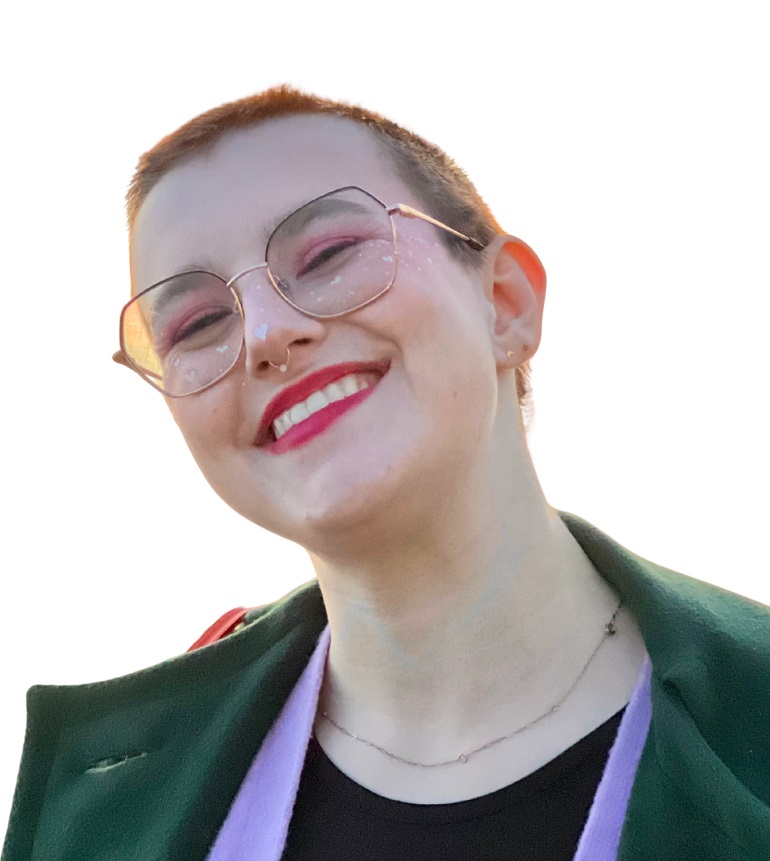
Eliza Telford | Political Science
Strategic Identity Negotiation: Marginalized Women and Representation within the Conservative Party of Canada
Faculty supervisor: Dr. Hamish Telford (no relation!)
Personal Note: Thank you to the department for this honour; it truly is a dream come true. Thank you to Hamish for his support and the offer to write and research under his supervision. I am a better academic because of it. Thanks also to my partner, Kyle, for always being the best support and believing in me, no matter what I was struggling with.
Project Summary: This project examines how women in the Conservative Party of Canada navigate the relationship between marginalized identity, party politics, and political legitimacy. Focusing on Leslyn Lewis, Melissa Lantsman, and Rachael Thomas, the study develops the concept of identity-constrained representation, arguing that women in conservative politics engage in strategic identity negotiation to maintain legitimacy within both party institutions and broader electoral audiences. Drawing on scholarship by Sylvia Bashevkin, Linda Trimble, Erica Rayment, Manon Tremblay, James Farney, and others, the paper integrates theories of political representation, party gatekeeping, intersectionality, and gendered mediation.
Methodologically, the study combines qualitative case studies with quantitative analysis of parliamentary interventions across two House of Commons sittings. Speeches, statements, and public communications were coded according to issue focus, identity signaling, and party-line alignment. The findings demonstrate that women Conservative MPs face significant structural and ideological constraints, particularly through party discipline, recruitment pipelines, and gendered expectations surrounding leadership and legitimacy. However, the analysis also shows that women exercise agency through selective advocacy, symbolic representation, coalition-building, and strategic public identity management.
Ultimately, the paper argues that descriptive representation alone does not guarantee substantive feminist or progressive policy outcomes within conservative parties. Instead, women’s political influence emerges through negotiated and conditional forms of representation shaped by ideology, institutional structure, and intersectional identity.
Return to recipient list ↑

Alyssa Doerksen | Psychology
Engaging support for environmental policy
Faculty supervisor: Dr. Madison Pesowski
Personal Note: I am a fourth-year Bachelor of Arts student majoring in psychology. Over the past two years, I have had the privilege of working on these four experiments in the Kids in Developmental Science (KIDS) Lab, and I am very proud of what they have become. As I near the completion of my degree, I can say that working under the supervision of Dr. Madison Pesowski in the KIDS Lab has been one of the most meaningful and fulfilling parts of my academic journey.
With one year remaining in my degree, I am excited to explore future directions of this research through my honours thesis. In the future, I hope to pursue graduate studies in clinical child psychology and continue conducting research in social cognitive development. I am incredibly grateful to receive this award and for the support of my supervisor, lab team, and participants who made this work possible.
Project Summary: The present work proposes that ownership can be understood within a broader intuitive psychology framework, in which ownership is conceptualized as an exclusive link between an owner and the costs and rewards associated with their resource. Under this framework, ownership violations are evaluated in terms of the costs imposed on the owner, with greater costs judged as less acceptable.
Across four experiments, children aged 3-8 years (N=336) and adults (N=266 of 336) evaluated scenarios in which a non-owner interacted with owned property without permission. Using within-subjects designs, interactions were manipulated to vary the cost to the owner.
Results across all experiments provide support for this account. In Experiment 1a, participants judged severe violations as less acceptable than minor violations, which were in turn less acceptable than no-violations, indicating sensitivity to graded cost differences. Experiment 1b further suggested judgments reflected the cost imposed rather than outcome evaluations alone, as identical actions were more acceptable when performed by the owner than by a non-owner. Experiment 2 showed sensitivity to quantity, with violations involving an owner’s only object judged less acceptable than those involving one of three objects. Experiment 3 suggested sensitivity to subjective value, with violations involving highly valued objects judged more negatively than less valued objects even when actions remained constant.
Together, these findings provide converging evidence that ownership reasoning can be understood within a broader intuitive psychology framework. In particular, they suggest that children and adults evaluate ownership violations as a function of the costs imposed on the owner.
Return to recipient list ↑

Kiyah Price | School of Culture, Media, and Society
Learning Sustainability at UFV: How Environmental Sustainability Education Shapes Student Values and Everyday Behaviours
Faculty supervisor: Dr. Chantelle Marlour
Personal Note: In completing my BA in Sociology and my BCRP, independent research has become one of the most treasured experiences in my academic journey, allowing me to contribute to and expand conversations in both international and local contexts. Many thanks to Dr. Chantelle Marlor for her invaluable teachings and the opportunity to engage in this research, and to my team at UFV’s Office of Sustainability for inspiring this work.
I am deeply grateful to my parents, Nadine and Ronald, who stood steadfast in their desire to raise their children with a connection to the earth, for teaching me that what we give to this earth will always return to us. Their life experiences have inspired me to advance principles of sustainability, equity, and collective responsibility in my pursuit of education and professional development. As the need for meaningful climate action grows, I hope to continue contributing to sustainable, community-centred solutions.
Project Summary: Learning Sustainability at UFV: How Environmental Sustainability Education Shapes Student Values and Everyday Behaviours asks: “How do undergraduate UFV students perceive the role of environmental sustainability education in shaping their everyday behaviours and values?” The study explores how students interpret the influence of sustainability education within their university experience and whether it contributes to meaningful environmental behavioural change. Using a qualitative research design, semi-structured interviews were conducted with UFV undergraduate students to examine their experiences with environmental sustainability and sustainability education, as well as how they understand its meaning and impact. By focusing specifically on UFV students, the research contributes to localized understandings of sustainability education within a Canadian post-secondary context.
Although Education for Sustainable Development (ESD) and Sustainable Consumption and Production (SCP) education are widely recognized as essential tools for advancing sustainability and reducing environmental impacts, it remains unclear whether sustainability education meaningfully changes behaviour or primarily shapes awareness and attitudes. While much sustainability discourse assumes increased knowledge and exposure lead to increased care and action, the findings suggest that sustainability education at UFV functions less as a direct behavioural tool and more as a framework through which students interpret environmental responsibility, institutional roles, and the limits of individual action. Rather than initiating sustainable values, sustainability education often served to refine and reinterpret existing environmental perspectives within broader social and institutional contexts
Return to recipient list ↑
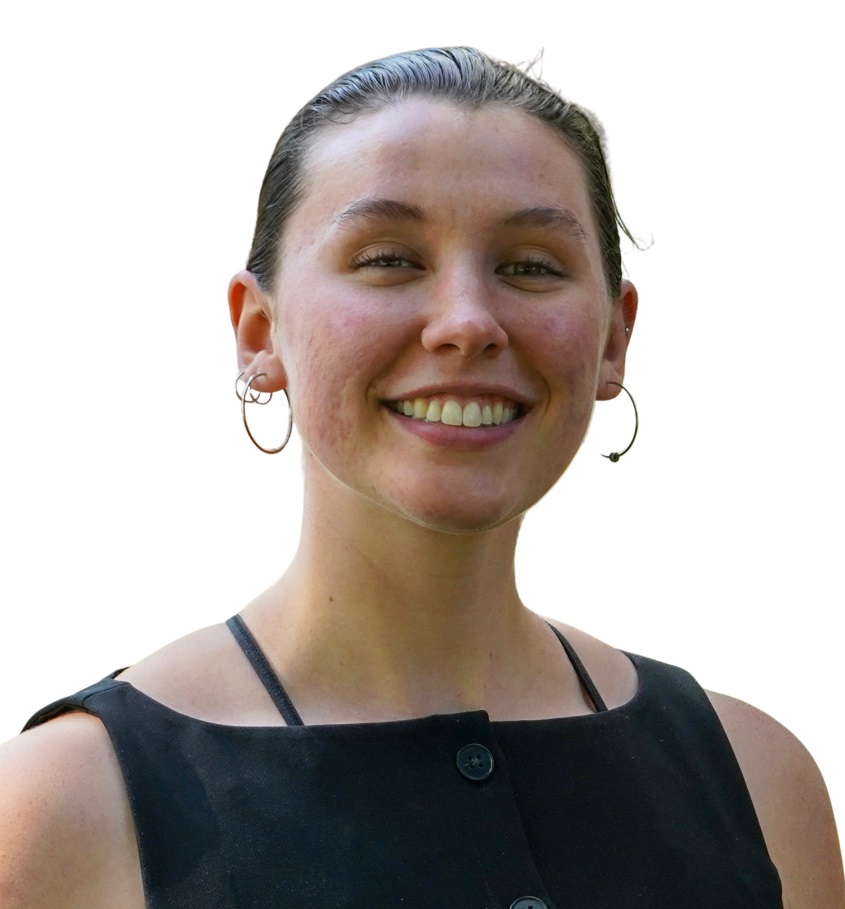
Rebekah Stokes | School of Social Justice and Global Stewardship
Waste to Wealth: the Business Case for Circularity in Abbotsford
Faculty supervisor: Dr. Michael Batu
Personal Note: This project was the culmination of a degree spent exploring systems, analyzing wicked problems and identifying levers for change. I am thrilled to have had the opportunity to apply what I've learned in classrooms and the field and find answers to the questions I'm passionate about. I am also deeply grateful have had the guidance and support of my supervisor, Dr. Michael Batu.
Project Summary: Humanity’s current economic model, characterized by resource extraction, production, consumption, and disposal, has proven environmentally and economically unsustainable. Earth Overshoot Day, which fell on July 24 in 2025, exemplifies the state of ecological deficit under the current system. The associated environmental externalities, quantified in economic terms, pose significant long-term risks to global economic stability. In response, the circular economy has emerged as a systems-based alternative that seeks to keep materials in use for as long as possible by designing out waste, extending material lifespans, and reintegrating outputs as inputs. While the environmental benefits of circularity are well documented, its economic viability at the municipal level remains underexplored. This paper addresses that gap by evaluating the business case for circularity in the City of Abbotsford, British Columbia.
Return to recipient list ↑
Faculty of Health Sciences
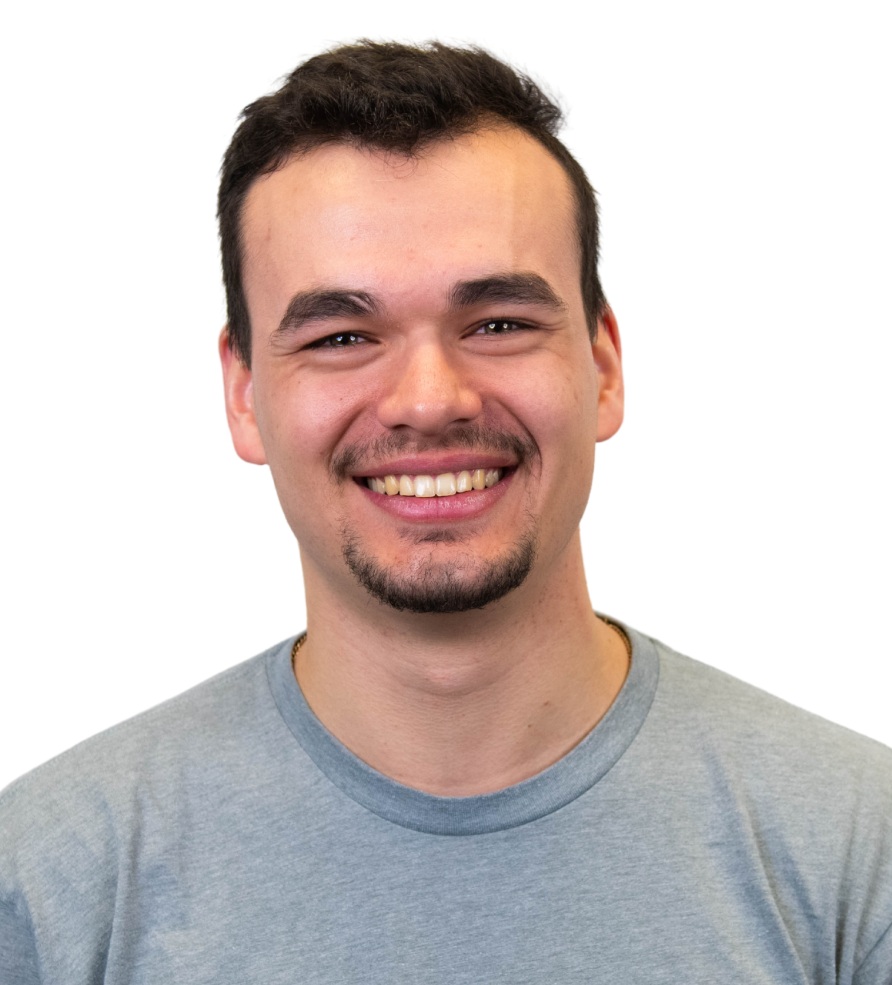
Owen Swan | Kinesiology
A Pilot Randomized Controlled Trial Exploring the Utility of the COM-B (Capability, Opportunity, and Motivation – Behaviour Model) to Support Adherence to a Fall Prevention Program
Faculty supervisors: Dr. Amanda Wurz
Personal Note: Participating in research during my Bachelor of Kinesiology degree was the most impactful and influential decision I made during my time at UFV. My role as a research assistant in three studies examining older adults’ subjective experiences, quality of life, and benefits from the UFV Trishaw Rides Program, as well as the completion of my fall prevention undergraduate thesis helped inspire and solidify my interest in working with older adults during my future career as a physiotherapist. These experiences allowed me to apply classroom knowledge in real-world settings that positively impacted older adults while strengthening my leadership, communication, management, and research skills for graduate studies and my future profession. I am grateful for this honour and to Dr. Shelley Canning, Alison Pritchard Orr and Dr. Amanda Wurz for their mentorship throughout the years. Working alongside these professors has been transformative, helping me grow as a student, researcher, and individual.
Project Summary: Older adults 65 and older are a rapidly growing segment of the population, and falls among this population are the leading cause of hospitalization, injury deaths and unintentional deaths. This mixed methods randomized controlled trial involved augmenting a modified Otago Exercise Programme (OEP) with brief behaviour change support guided by the COM-B (capability, opportunity, motivation, behaviour) model among community-dwelling older adults to assess whether the program was associated with improvements in adherence as well as key physical and psychosocial outcomes compared to the same program without such support. 21 participants were recruited and completed a 12-week modified OEP program using a logbook to track their adherence. Data was collected in-person at baseline, 6-weeks, and post-intervention and consisted of open- and close-ended questionnaires assessing self-reported physical activity, falls efficacy, and quality of life, as well as functional tests. Semi-structured interviews were conducted at baseline and upon completion of the intervention to assess COM and program feasibility, and participants received eight, weekly 10-minute phone calls with or without COM-B guided support depending on their randomization into the control or intervention group. Questionnaires, functional tests, and logbook data were analyzed with descriptive statistics, and interview data was transcribed verbatim and analyzed using hybrid inductive-deductive coding and content analysis. Preliminary findings indicated that adherence to the OEP was not significantly different between both groups, which may be explained by the high initial levels of capability, opportunity and motivation observed in both the control and intervention group during the baseline interviews
Return to recipient list ↑

Makaela Gelowitz | School of Health Studies
Exploring how online education and teaching impact the learning experience of nursing students
Faculty supervisor: Dr. Shelley Canning
Personal Note: I am currently in my fourth year of the BSN program and will graduate in December. I hope to begin my career as a Registered Nurse and further pursue critical care. Throughout my nursing school journey, online education has been heavily relied on, which sparked my curiosity about how students perceived it and how it shaped their learning experiences.
This research project was an incredibly meaningful experience that deepened my appreciation for nursing education and research. I am extremely grateful to have had the opportunity to work under Dr. Shelley Canning. Her guidance and encouragement have greatly influenced my learning experience and strengthened my passion for nursing research. I am deeply appreciative to have such an inspiring person to look up to as an educator and nurse researcher, and I am thankful for the role she has played in shaping me into the future nurse I aspire to become.
Project Summary: My project explored how online education impacts nursing students’ learning experiences within a profession that is highly relational and dependent on hands-on clinical skill development. The purpose of my study was to better understand how online teaching methods influence student engagement, connection, motivation, and preparedness for clinical practice. A cross-sectional mixed-method design using an interpretive descriptive approach was utilized. Data was collected using a 23-item anonymous online questionnaire distributed to BSN students at UFV in semesters six and seven. The questionnaire included yes/no questions, Likert-scale questions, and open-ended responses to gather both quantitative and qualitative data. A total of 39 students participated in the study.
My findings revealed that while students appreciated the flexibility and accessibility of online learning, many experienced challenges related to engagement, motivation, communication, and clinical skill development. Participants reported difficulties feeling connected to instructors and peers. Many students felt that the reduced connection with instructors negatively impacted their learning experience, as instructors play an important role in shaping students’ professional growth as future nurses. Although online learning offers important benefits, nursing education must continue to prioritize relational and experiential learning. It is essential to curate and share nursing knowledge in ways that foster confidence, competence, and preparedness for safe and effective clinical practice.
Return to recipient list ↑
Faculty of Business and Computing

Victoria Alatabi & Trey Smith | School of Business
The Impact of Message Framing on Tourists’ Attitudes and Decision Making for Abbotsford, British Columbia
Faculty supervisor: Dr. David Dobson, Clare Seeley (ext.)
Personal Note:
Victoria: Tourism is a fundamental part of Abbotsford’s economy, so having the opportunity to contribute to research that could potentially increase the awareness of our city, and bring in more visitors was exciting. Being nominated for this award was such an honour, and I am grateful to have won on behalf of our research team. I first want to thank the University of the Fraser Valley, Professor David Dobson, the judges, and the school of business for the exciting opportunity to present our project and to be a part of such a meaningful experience. I'd also like to thank Clare Seeley from Abbotsford Tourism for her insight and support during our research.
Trey: I am in the 4th year of obtaining my Bachelor of Business Administration degree from UFV. I was born and raised in Abbotsford, and I am grateful to live so close to such an amazing school. This project was important to me because, as an Abbotsford local, I know of the amazing and unique experiences that we have to offer, but I also know it can be hard to attract tourists here since it is a smaller destination. When I had the opportunity to conduct original research to help the Executive Director of Tourism Abbotsford, I immediately became invested. I am very grateful for the opportunity to engage in this research project, as it allowed me to learn, understand, and experience the process of correctly collecting and analyzing data. I would like to thank David Dobson and the School of Business for allowing me this amazing opportunity!
Project Summary: Our research was entitled “The Impact of Message Framing on Tourists Attitudes and Decision Making for Abbotsford, BC.” It explored various types of message framing, particularly in tourist advertisements and the effect it had on tourists’ overall perception of Abbotsford as a destination. A focus group was conducted which revealed which direction would be most beneficial when designing our survey questions. 100 individuals were then surveyed and asked questions that determined whether they preferred positive or negative message framing. The survey found that positive message framing is strongly preferred over negative framing, and that increasing awareness of Abbotsford’s events activity offerings would also increase the overall impression of Abbotsford as a tourist destination among participants.
Return to recipient list ↑
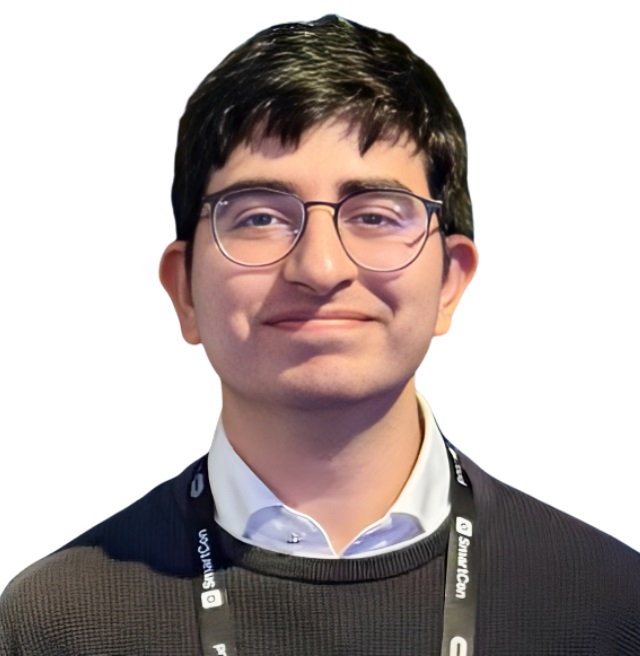
Ishwak Sharda | School of Computing
A Scalable End-to-End IoT Data Pipeline with Dynamic Bucketing and Blockchain Verification
Faculty supervisor: Dr. Opeyemi Adesina, Dr. Samuel Okegbile (ext.)
Personal Note: As a fourth-year Computer Science student, my research focused on one of the biggest challenges in finance, governance, and technology today: how to store data in a way that makes every change transparent, verifiable, and impossible to tamper with. This project gave me the opportunity to combine my years of experience in blockchain and finance with academic research to tackle a real-world problem and develop a scalable framework for secure and trustworthy data verification. I also had the opportunity to work with and learn from Dr. Samuel Okegbile, Dr. Adesina Opeyemi from UFV, and Professor Jun Cai from Concordia University throughout this research. After graduation, I will be joining a fintech company where I hope to continue working on projects that connect blockchain, finance, and real-world systems.
Project Summary: This research, conducted in collaboration with Professor Jun Cai from Concordia University and Dr. Samuel Okegbile from the University of the Fraser Valley, focuses on designing a scalable end-to-end IoT data pipeline with integrated blockchain verification for modern cyber-physical systems. The project addresses major challenges in handling high-velocity sensor data while maintaining data integrity, transparency, and reliability in environments where secure real-time processing is critical. The proposed framework combines a Kafka-based streaming architecture with real-time anomaly detection, data correction, and a dynamic bucketing mechanism to efficiently process and aggregate large-scale sensor data. To ensure trustworthiness and tamper-evident verification, the system uses cryptographic structures such as Merkle and Verkle trees, with hashes of validated data stored on a blockchain for secure auditing and verification. The research demonstrates how distributed systems, blockchain, and real-time data processing can work together to create scalable and reliable infrastructure for finance, IoT, and government-related applications that require secure and verifiable data pipelines.
Return to recipient list ↑
Faculty of Science

Ania Bula | Agriculture
Impact of neonicitonoid pesticides on salmon cell lines
Faculty supervisor: Dr. Lucy Lee
Personal Note: I am very honoured to receive the URE award for the Agriculture Department. Working with Dr. Lucy Lee has changed my life and set me on a path I wasn't expecting when I first started at UFV. The work I've been doing has become something I am passionate about and I discovered a love for research work as well as teaching. Once I complete my Bachelor of Agriculture Sciences, I hope to go on to do a PhD and perhaps one day return to UFV as a faculty member.
I am so grateful for the support of my supervisor, the head of the Agriculture department Dr. Renee Prasad, and truly all of UFV. I am also grateful for my labmates including Quinn Thompson and Caio De Figueiroa who are both a pleasure to work with and help make our lab environment one of collaboration and mutual support. Thank you.
Project Summary: Neonicotinoid pesticides are based on naturally occurring nicotine and used extensively in Agriculture. Their chemical properties make them a risk for leaching into aquatic environments. Using concentrations that have been identified in Lower Mainland waterways in BC, this project aimed to look at what effects these contaminants may have on aquatic species. Using cell cultures, many of which were developed in our lab, I compared the effects on different tissues including gills, muscle, brain, olfactory, and others. I compared effects on different species including Atlantic Salmon, Coho Salmon, Rainbow Trout, Northern Pikeminnow, and Stickleback. Initial observations included both qualitative assessments on cell morphology, as well as quantitative assessments on survival and proliferation over various exposure times. The Northern Pikeminnow cell lines I developed, which displays a wider range of tolerated temperatures, made it possible to also examine the impact of temperature on these effects. Additional work was carried out using techniques such as Immunocytochemistry to explore what specific cellular structures and processes were affected. I looked at the effects on tight junction proteins in the cell membranes and the actin fibers that make up the cytoskeleton. I further explored what effects these environmental concentrations had on innate immune responses, specifically phagocytosis. This work is still ongoing as I intend to continue to dive deeper into determining how these contaminants are affecting our local environments.
Return to recipient list ↑

Joanna Tate | Biology
Phenology of Hemlock Wooly Adelgids
Faculty supervisor: Dr. Alida Janmaat
Personal Note: After completing a course on invasive species with Alida Janmaat, I was afforded the opportunity to work on this project, first as a directed studies project and later through a work-study position. I am incredibly grateful for this experience and honoured to be recognized for Undergraduate Research Excellence. This project gave me the opportunity to develop practical skills in ecology and field research while studying the impacts and phenology of Hemlock Woolly Adelgids. Through field sampling, data collection, and analysis, I gained a much deeper appreciation for the complexity of forest ecosystems and the importance of applied research in addressing emerging environmental challenges. This project also connected me with Troy Kimoto (CFIA) and Nicholas Dietschler (Cornell University), who both provided a wealth of knowledge and support.
Project Summary: The Hemlock Woolly Adelgid (HWA), an invasive insect pest native to Japan, poses a major threat to hemlock forests in the eastern United States, where infestations cause widespread tree mortality and substantial ecological impacts. In contrast, western hemlock (Tsuga heterophylla) in the Pacific Northwest appears far less affected by HWA. Native predators and potential host resistance may help suppress HWA populations and reduce damage in this region. To better understand these differences, this study monitored HWA populations on western hemlock in British Columbia. The phenology of the sistens (overwintering) and progrediens (spring) generations was examined using branch samples collected from infested trees at six Lower Mainland sites between February and October 2025. Samples were analyzed for mortality, density, timing of oviposition, nymph emergence, synchrony with bud break, and the end of aestivation. In the eastern United States, sistens crawlers preferentially settle on current-year shoots at branch tips. However, summer sampling in this study showed greater abundance of sistens crawlers on prior-year growth later in the season, despite the availability of 2025 new growth. This pattern does not appear to result from asynchrony with host tree development. As this study is ongoing, continued monitoring will help determine the significance of this trend.
Return to recipient list ↑

Matthew Miller | Chemistry
Investigating Multimetallic Palladium Complexes Coordinated by a Pyridazine-bridging, Redox-Active Ligand
Faculty supervisor: Dr. Linus Chiang
Personal Note: As my final year at UFV approached, I was unsure of what I wanted to pursue after my Bachelor's degree. I first began research under the supervision of Dr. Linus Chiang in May of 2025 to see if research was the path for me. As a member of the Chiang research group, I was captivated by inorganic chemistry and conducting my own research. During my time in the group, I learned invaluable skills both within the lab and outside of it. The biggest takeaways from my time in the group were my growth as a communicator and the connections I made with others. I am extremely grateful for my group members and Linus's support and look forward to pursuing my PhD in inorganic chemistry at Simon Fraser University in the fall.
Project Summary: Nature utilizes multimetallic enzymatic active sites to cooperatively provide or store electron equivalents during catalysis, enabling activation of small molecules that require multiple electrons. Some examples from Nature include hydrogenases, a family of bimetallic enzymes that catalyze the 2-e⁻ reduction of protons to produce dihydrogen (H₂), and tyrosinase, where the 4-e⁻ reduction of dioxygen (O₂) occurs at a dicopper active site during dopamine and melanin biosynthesis.
Through ligand design, the metal ions of synthetic bimetallic systems can be held at distances where cooperative small molecule activation can occur, enabling reaction pathways that are unavailable to mononuclear complexes. In addition, multi-electron reactivity can also be imparted via redox active ligands. My project revolved around the coordination of palladium to a novel pyridazine-bridged bis(aminophenol) ligand (Pyd(AP)₂). The ligand is designed to enable both multimetallic and redox cooperativity due to the pyridazine and aminophenol units, respectively. I was able to synthesize the target bimetallic palladium complex along with trimetallic and tetrametallic analogues. These complexes were characterized through various spectroscopies and X-ray diffraction while their electrochemistry was studied through cyclic voltammetry.
Return to recipient list ↑

Ava Kauppi | Geoscience
IRSL dating of raised beach deposits at Admiralty Bay, South Shetland Islands, Antarctica
Faculty supervisor: Dr. Olav Lian, Dr. Maria Schaarschmidt,
Personal Note: I am graduating from the University of the Fraser Valley with a Bachelor of Environmental Studies - Natural Sciences. I have always been passionate about physical geography and the natural environment, so doing research in the Luminescence Dating Laboratory was a perfect fit for me. It gave me the opportunity to expand my research skills and gain relevant experience. Over the past two semesters, I worked as a student research assistant, and this past semester I also completed a directed studies course focusing on luminscence dating research in Antarctica. I am honoured to receive this award and incredibly grateful to my supervisors for their mentorship and support, as well as for providing me with opportunities to grow as both a student and a researcher. After graduation, I plan to pursue further education in the environmental field.
Project Summary: The purpose of this project was to investigate the timing of raised beach formations in Admiralty Bay, Antarctica, to improve understanding of past sea-level change, glacier retreat, and environmental change in the Antarctic Peninsula region. This research contributes to the 2025 Canadian Antarctic Research Expedition, the first all-Canadian research voyage to Antarctica, which focused on understanding the Antarctic Ice Sheet and its role in the global climate system.
Three raised beach sediment samples were collected from palaeoshorelines in Admiralty Bay on King George Island. In the lab, infrared stimulated luminescence (IRSL) dating using polymineral sediments was applied to determine when these beaches formed following glacial retreat. By using optical dating, we measured the amount of time since sediments were last exposed to sunlight by analyzing luminescence signals produced from naturally accumulated environmental radiation.
The samples produced strong luminescence signals, demonstrating that polymineral IRSL dating is a reliable method for dating raised beach sediments in Antarctica. Preliminary ages range from approximately 500 to 5,000 years ago. This suggests that these beaches formed during a period of climate warming, glacier retreat, isostatic rebound, and relative sea-level change. This study highlights the value of luminescence dating for reconstructing past environmental changes in Antarctica and contributes to understanding how Antarctica responds to climate warming.
Return to recipient list ↑

Brendan Matthews | Mathematics and Statistics
Hedgehog Reconstruction on Polygons: Non-Central Sections and Slabs
Faculty supervisor: Dr. Serhii Myroshnychenko
Personal Note: I have recently completed my Bachelors of Science in Honours Mathematics and a major in Physics. At the beginning of my journey at UFV, research was something I found intimidating and never thought I would be smart enough to pursue. Through the support of my supervisor, Dr. Serhii Myroshnychenko, and the UFV Mathematics Department, I came to realize that research was accessible and simply a new skill that I needed to develop. Research has been one of the most rewarding experiences I have done at my time at UFV, from attending a conference in Waterloo to submitting a paper for publication. I look forward to continuing to develop the skills I gained at UFV as I begin my Master’s degree in Pure Mathematics at the University of Ottawa this fall.
Project Summary: When getting a CT scan, it is crucial that the scan does not produce multiple plausible images. We want to make sure that the scan can uniquely reconstruct the image. This is the basic idea behind my research. I provide a mathematical framework to guarantee the unique reconstruction of polygons using geometric objects called hedgehogs.
Hedgehogs are generalizations of convex bodies, which are named after their characteristically sharp points. By placing a hedgehog inside a polygon, we can look at tangent lines of the hedgehog and how they intersect with the polygon. These intersections are called sections of the polygon and produce geometric data about the shape. The first major result proven was that if two polygons have the same section lengths for every section, then the two polygons must be the same.
If we once again place a hedgehog inside a polygon, we can look at parallel tangent lines of the hedgehog and how they intersect the polygon. These intersections are called slabs, which create a two-dimensional region. The second major result was that if two polygons have the same slab areas for every slab, then the two polygons must be the same.
Return to recipient list ↑

Katie Schofield | Planning, Geography, and Environmental Studies
Architecture for Spatially Just Food System Planning with and for Urban Youth South Sudanese Refugees in Kenya
Faculty supervisor: Dr. Cherie Enns
Personal Note: I was drawn to the GDS program at UFV because of my interest in working with refugees. When Dr. Enns approached me about working on this project, I jumped at the chance. The project combined my personal interest in regenerative farming with my academic interests in refugee studies. By working on this project, I learned about the importance of ethics in relation to research, how to write a research report, to think more analytically, and to respond to peer review feedback. I am so grateful for the mentoring I received from Dr. Enns who was patient and encouraging with my initial attempts. She was always accessible for my questions and challenged me to meet higher standards.
Project Summary: In an earlier phase of this research, South Sudanese urban refugee youth in Kenya expressed a desire for support in the form of further training. Seeking to meet this need, the project provided participants with digital training. It taught urban farming, how to convert that into an income, and how to work or get an education in Kenya. Surveys embedded in the training asked about diet changes since moving to Kenya and about how they get their food.
As part of their coursework, participants submitted food diaries and conceptual and geographic food maps. In addition, participants had the option to enter an ideation contest in which they submitted food-related business ideas. Based on the variety of foods they consumed during their one-week food diary, there were high levels of food insecurity amongst South Sudanese urban refugee youth. We also saw evidence of their mobility and the harm caused by categorizing refugees as either ‘urban’ or ‘camp’ refugees.
The most significant knowledge gains participants received from the digital training were in relation to the legal requirements to work in Kenya along with their rights. Participants expressed desires to take further courses in a variety of topics. Their business ideas also demonstrated broad interests beyond food security.
Return to recipient list ↑
Faculty of Applied and Technical Studies
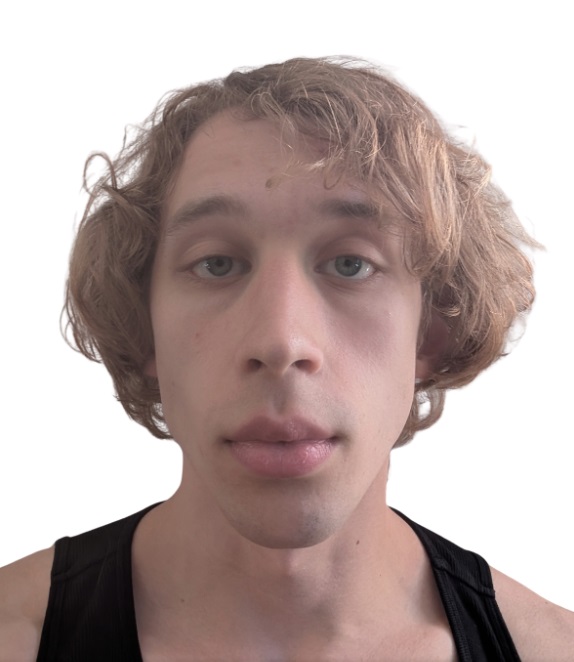
Nathan Loewen | Physics
IR Spectra of Water using Autocorrelation Function of Dipole Moments
Faculty supervisor: Dr. Shahrazad Malek
Project Summary: Developed a C++ program to read the output of a GROMACS computer simulation of H2O. The program would use the output to determine the autocorrelation function of the system using the net dipole moments of the molecules. These results would then be utilized by a Python code to display/analyze the IR spectra of water from the GROMACS simulation.
Return to recipient list ↑
Faculty of Education, Community, and Human Development

Rachel Murrell | School of Education
Building Community in Schools through Disability Pride
Faculty supervisor: Dr. Nikki Yee
Personal Note: Receiving this award is deeply meaningful to me because this research project brought together my personal experiences, my educational background in psychology, and more than 20 years of supporting people with disabilities and queer students in schools. Through my own experience of finding queer community later in life, I have seen the power of positive self-identity, belonging, and affirmation in improving mental health and self-worth. That led me wonder how these protective factors could be utilized in school settings with students with disabilities. I'm deeply grateful to Dr. Nikki Yee for her encouragement in integrating our personal experiences into our research and for creating space for projects that spark joy and curiosity in the research process.
Project Summary: My research project explores how building community and disability pride in schools could help protect students with disabilities from some of the negative psychological outcomes associated with stigma, such as low self-esteem, anxiety, depression, and internalized shame. While schools often provide accommodations and academic support, there are very few spaces that encourage students to build positive disability identity, community, and culture.
The project was inspired both by my professional experience supporting people with disabilities for over 20 years and by my own experiences within queer community spaces. Research around Gender Sexuality Alliances and queer identity development shows that affirming community spaces can improve belonging, resilience, and mental health outcomes for marginalized youth. I wanted to explore whether similar approaches could support students with disabilities.
Drawing from disability studies, cultural and social psychology, I examined how disability pride and group identification may act as protective factors against stigma. From this research, I developed the idea of school-based “Disability Alliances” being student-led spaces focused on accessibility, peer support, self-advocacy, belonging, and empowerment.
Ultimately, this project asks schools to move beyond simply accommodating disability and instead begin creating spaces where disability identity and community can be valued, supported, and celebrated.
Return to recipient list ↑

Lizzy Sallos | School of Social Work and Human Services
Trauma-Informed and Care-Based Pedagogy from Learners’ Perspectives
Faculty supervisor: Dr. Brianna Strumm, Amea Wilbur
Personal Note: My name is Lizzy and I am a recent graduate of the Bachelor of Social Work program at UFV. I am so grateful to have been given the opportunity to contribute to research on trauma informed teaching and learning through my work as a Research Assistant for Dr. Brianna Strumm and Dr. Amea Wilbur during my undergraduate degree! Through this project, I was able to support the facilitation and analysis of focus groups with post-secondary students about their experiences and perspectives of trauma-informed care in the post-secondary classroom. It was a pleasure to be involved in this work, and I have gained valuable experience that will support me in future endeavours. Thank you to Dr. Strumm and Dr. Wilbur for their nomination, support, and encouragement, and to the Office of Research and Graduate Studies at UFV for this recognition.
Project Summary: This project was a continuation of previous research conducted by Dr. Strumm and Dr. Wilbur on the experiences and perspectives of post-secondary instructors on trauma-informed, care-based teaching. Phase 2 of this project engaged post-secondary students in participatory action research through the Photovoice method. In this method, students were asked to take a series of three photos that exemplified their interpretations of research questions intended to explore their first-hand experiences of care in post-secondary education. Themes identified in the research data included need for a sense of belonging and connection with peers and instructors, the necessity of accessible and non-discriminatory academic environments, and support for transformative and wellness-based teaching approaches. The combined results of Phase 1 and 2 will support practical and actionable recommendations for micro- and institutional-level policy changes that promote equity, empathy, and respectful learning environments.
Return to recipient list ↑